Technical Specifications and Architectural Breakdown
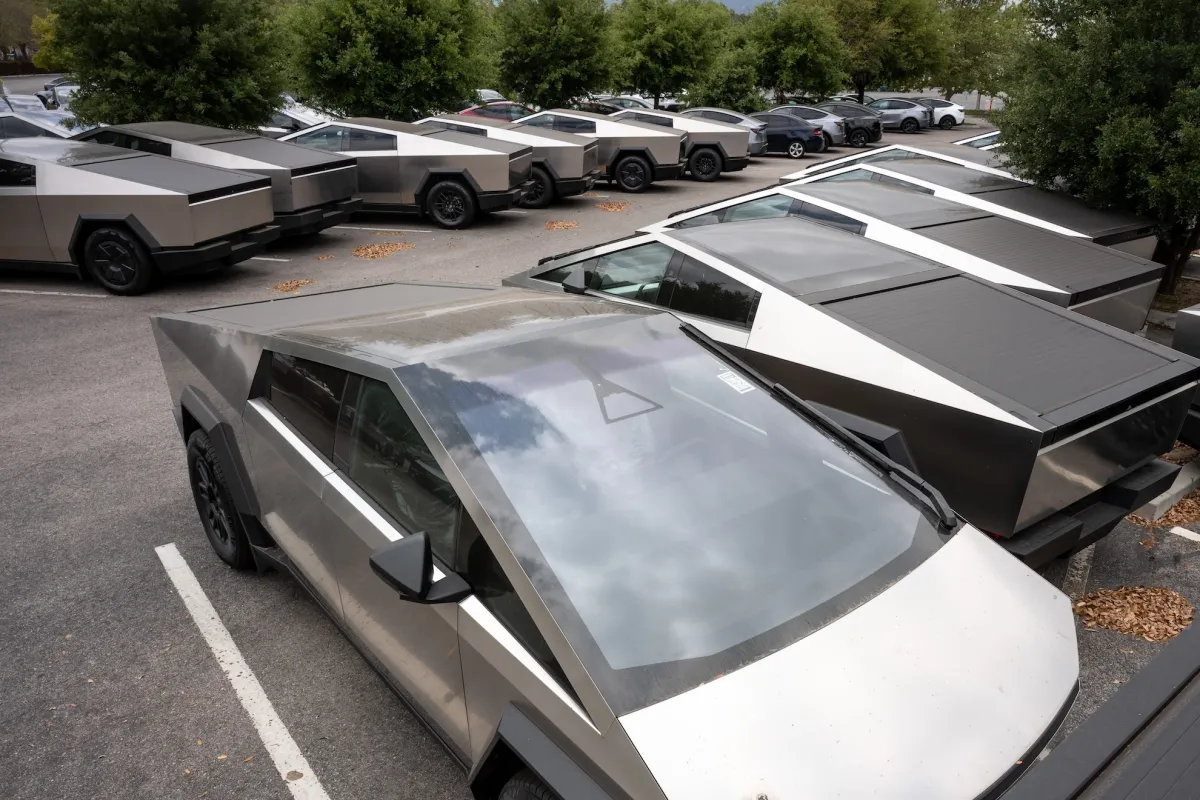
The Cybertruck represents a radical departure from traditional body-on-frame truck construction. At its core is the Ultra-Hard 30X Cold-Rolled stainless steel exoskeleton, a design choice that eliminates the need for a traditional frame and allows for an integrated structural battery pack. This approach provides significant torsional rigidity, which translates into superior handling despite the vehicle’s massive curb weight.
From a powertrain perspective, the Cybertruck utilizes a tri-motor setup in its top-tier “Cyberbeast” configuration, delivering 845 horsepower and a 0-60 mph time of 2.6 seconds. The engineering team implemented a steer-by-wire system and rear-wheel steering, which are critical for maneuvering a vehicle of this footprint in urban environments. The 800-volt electrical architecture supports high-speed charging, allowing the massive battery pack to regain significant range in under 20 minutes. Furthermore, the integration of 48-volt low-voltage architecture reduces the complexity of the vehicle’s wiring harness, a move that minimizes weight and enhances the reliability of the onboard electronic control units.
The vehicle’s “vault,” or bed, is constructed from the same stainless steel composite as the body, providing a degree of durability that traditional steel or aluminum beds cannot match. When combined with the adaptive air suspension, which offers up to 17 inches of ground clearance in “Extract Mode,” the technical profile of the Cybertruck is engineered to bridge the gap between a high-performance sports sedan and a heavy-duty work truck.
Industry Landscape and Competitive Comparison
The Cybertruck’s market performance is occurring against a backdrop of increasing electric truck competition. Established manufacturers like Ford and Rivian have already staked their claims in the segment, yet the Cybertruck maintains a unique position due to its aesthetic and the brand equity associated with the Tesla charging network. The following table outlines how the Cybertruck compares to its most direct competitors in the current electric truck market.
| Feature | Tesla Cybertruck (AWD) | Rivian R1T (Dual-Motor) | Ford F-150 Lightning |
|---|---|---|---|
| Range (Est.) | 340 miles | 352 miles | 320 miles |
| Towing Capacity | 11,000 lbs | 11,000 lbs | 10,000 lbs |
| Architecture | Exoskeleton | Skateboard Platform | Body-on-Frame |
| Charging Network | Tesla Supercharger | CCS/NACS (Adapter) | CCS/NACS (Adapter) |
While the Rivian R1T offers a more traditional aesthetic and refined interior materials, and the Ford F-150 Lightning leverages decades of brand trust, the Cybertruck’s market velocity suggests that buyers are increasingly prioritizing the technological integration and charging infrastructure that Tesla has cultivated over the last decade.
Practical Consumer & Enterprise Takeaways
For prospective buyers and enterprise fleet managers, the Cybertruck presents a complex cost-benefit analysis. On the consumer side, the secondary market premium indicates that the vehicle is currently viewed as a scarce commodity. Buyers entering the market now should be aware that the high resale value is partially driven by the initial production ramp-up, which has restricted supply relative to the initial reservation list.
Enterprise users should consider the implications of the stainless steel exterior on fleet maintenance. While the material is resistant to corrosion, repairs to the exoskeleton require specialized equipment and training, which may increase downtime compared to traditional steel body panels. Furthermore, the integration of software-defined vehicle features means that fleet managers must account for continuous over-the-air updates, which can alter vehicle behavior and energy efficiency over the life of the asset. For those requiring a vehicle for heavy-duty towing, the real-world range degradation when under load remains a factor that necessitates careful route planning, despite the efficiency of the Supercharger network.
Frequently Asked Questions
Does the stainless steel exterior require specialized maintenance?
The Cybertruck’s exterior is susceptible to fingerprints and minor surface oxidation if not maintained. Tesla recommends cleaning the surface with specific automotive-grade stainless steel cleaners. Because the panels are structural, any significant impact damage may require specialized body shops certified by Tesla, as traditional dent repair methods are ineffective on this material.
How does the steer-by-wire system affect the driving experience?
The steer-by-wire system eliminates the physical connection between the steering wheel and the front wheels. This allows for variable steering ratios, meaning the driver does not need to turn the wheel hand-over-hand in tight maneuvers. While this provides a more agile feel in parking scenarios, it requires an adjustment period for drivers accustomed to the tactile feedback of a mechanical steering linkage.
Is the Cybertruck suitable for long-distance hauling?
The vehicle is highly capable for long-distance travel due to the Tesla Supercharger network. However, users should anticipate a significant reduction in range when towing at the vehicle’s maximum capacity. As with all electric vehicles, wind resistance and weight play a larger role in efficiency than in internal combustion trucks, requiring more frequent charging stops when hauling heavy loads.
The Bottom Line
The market velocity of the Tesla Cybertruck is a testament to the power of design differentiation and the maturity of the electric vehicle ecosystem. By eschewing traditional truck design tropes, Tesla has created a product that functions as both a utility tool and a status symbol. While the current market scarcity and high price point may deter the average work-truck buyer, the vehicle’s technical performance and the reliability of Tesla’s infrastructure ensure that it will remain a significant force in the automotive sector. As production capacity stabilizes, the true test will be whether this momentum persists once the initial wave of early adopters is satisfied. For now, the Cybertruck stands as a definitive marker of the industry’s shift toward high-performance, software-integrated electric transport.
