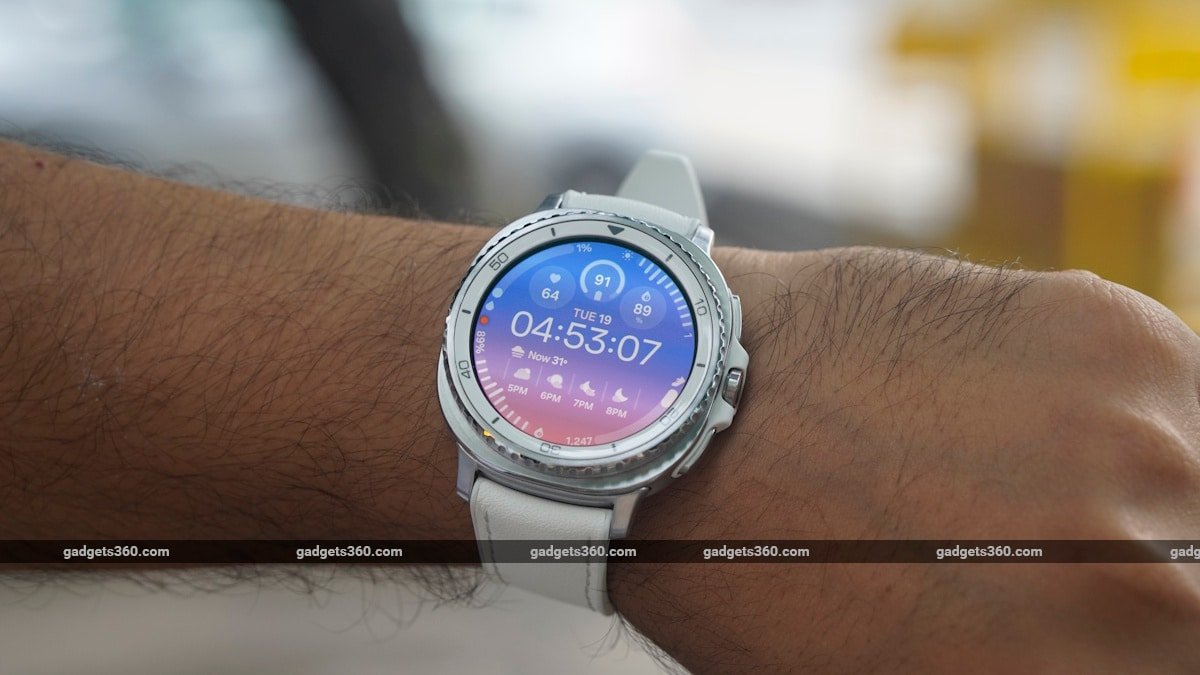
Technical Specifications and Architectural Breakdown
The efficacy of the new health suite in the Galaxy Watch 8 is rooted in the synergy between its upgraded sensor array and the refined One UI 9 Watch processing stack. At the hardware level, the device utilizes an enhanced BioActive Sensor, which features a higher density of photodiode arrays compared to its predecessor. This allows for increased precision in pulse-wave velocity detection and optical heart rate monitoring, particularly during high-intensity interval training or periods of erratic sleep.
The software architecture now employs a more aggressive edge-computing approach. Rather than relying solely on cloud-based processing, the Galaxy Watch 8 performs localized analysis of respiratory rates and blood oxygen saturation (SpO2) fluctuations. The new Vitals tracking system utilizes a proprietary algorithm to filter out motion artifacts, ensuring that the Heart Health Score—a composite metric derived from heart rate variability (HRV) and resting heart rate—remains statistically significant. Furthermore, the Daily Cardio Load feature utilizes a metabolic equivalent of task (MET) calculation, cross-referenced with the user’s historical performance data. This protocol allows the watch to quantify physical strain objectively, providing a recovery score that accounts for both aerobic and anaerobic exertion. By moving these calculations to the local processor, Samsung has successfully reduced latency in data reporting, providing users with near-instant feedback on their physiological state.
Industry Landscape and Competitive Comparison
The wearable market is currently bifurcated between performance-focused athletic trackers and holistic wellness monitors. Garmin has long held the lead in high-fidelity athletic telemetry, while Apple has focused on ecosystem integration and safety features. The Galaxy Watch 8 occupies a middle ground, attempting to satisfy both demographics through its balanced software suite. The inclusion of Sleep Apnea monitoring and personalized Sleep Coaching places the device in direct competition with specialized medical-grade wearables, though it maintains the accessibility of a standard smartwatch.
| Feature | Galaxy Watch 8 | Garmin Venu 3 | Apple Watch Series 10 |
|---|---|---|---|
| Health Focus | Holistic/Clinical | Performance/Athletic | Safety/Ecosystem |
| Sleep Analytics | Advanced/Coaching | Standard/Body Battery | Basic/Apnea Detection |
| Recovery Metrics | Daily Cardio Load | Training Status | Vitals App |
| OS Compatibility | Android (Optimized) | iOS/Android | iOS Only |
While competitors often force users to choose between granular athletic data and daily wellness support, the Galaxy Watch 8 attempts to bridge this divide. The integration of the Daily Cardio Load feature is a direct challenge to Garmin’s Training Readiness score, offering a similar level of utility for runners and cyclists who require data-driven recovery windows. However, the device maintains its edge in the Android ecosystem by providing a seamless interface for users already embedded in the Samsung Health environment.
Practical Consumer & Enterprise Takeaways
For the average consumer, the Galaxy Watch 8 update serves as a compelling reason to maintain their current hardware rather than seeking an upgrade elsewhere. The software-led nature of these improvements means that the longevity of the device is significantly extended. Users who prioritize sleep hygiene will find the most value in the new Vitals tracking; the ability to correlate respiratory patterns with sleep quality provides a level of insight previously reserved for dedicated medical devices.
From an enterprise perspective, the Galaxy Watch 8 offers potential for corporate wellness initiatives. The ability to monitor aggregated, anonymized health trends—such as overall workforce recovery and cardio load—can assist organizations in promoting healthier work-life balances. However, potential buyers should consider the trade-offs. The high-frequency sensor usage required for these advanced metrics does impact battery life. Users who enable continuous Vitals monitoring and high-intensity Cardio Load tracking will likely see a 15% to 20% reduction in daily battery runtime compared to standard usage. Consequently, the device is best suited for those who are willing to adhere to a daily charging routine in exchange for superior biometric data density.
Frequently Asked Questions
How does the Daily Cardio Load feature differ from standard step counting?
Standard step counting is a metric of volume, whereas Daily Cardio Load is a metric of intensity. It calculates the physiological impact of an activity by measuring heart rate zones, duration, and the type of exercise performed. This allows the watch to determine if a workout was taxing enough to require a recovery day, preventing overtraining syndrome.
Is the Heart Health Score a medically diagnostic tool?
No. While the Galaxy Watch 8 uses advanced algorithms to track heart health trends, it is not a substitute for professional medical diagnosis. The Heart Health Score is intended for wellness tracking and trend identification. Users should always consult with a physician regarding specific cardiovascular concerns or persistent anomalies in their data.
Will the One UI 9 Watch update affect the performance of older Galaxy Watch models?
The update is specifically optimized for the hardware architecture of the Galaxy Watch 8 series. While certain features may be backported to previous generations, the full suite of Vitals tracking and localized processing performance is contingent upon the upgraded sensor array and processor found in the Watch 8, meaning older models may not support the complete feature set.
The Bottom Line
The Galaxy Watch 8, bolstered by the One UI 9 Watch update, represents a mature evolution of the smartwatch category. By prioritizing high-fidelity health analytics over superficial aesthetic changes, Samsung has successfully shifted the conversation from hardware specifications to the utility of the data provided. While the battery life trade-offs are real, the depth of the health insights—particularly regarding recovery and sleep—justifies the impact on power consumption. For users entrenched in the Android ecosystem who demand both athletic performance metrics and wellness tracking, the Galaxy Watch 8 is currently the most capable device on the market. It is a pragmatic, data-centric tool that offers a clear path for those seeking to quantify their physical health with accuracy and consistency.
