Technical Specifications and Architectural Breakdown
The technical foundation of the Apple AirPods Max 2 rests upon the H2 processor, a silicon powerhouse that dictates the device’s computational audio capabilities. Unlike traditional analog headphones, which rely on passive acoustic design, the H2 chip enables real-time signal processing that compensates for environmental variables. This processor manages the adaptive EQ, which continuously adjusts the low and mid-range frequencies based on the seal of the ear cushions, ensuring a consistent listening experience regardless of fit or external noise levels.
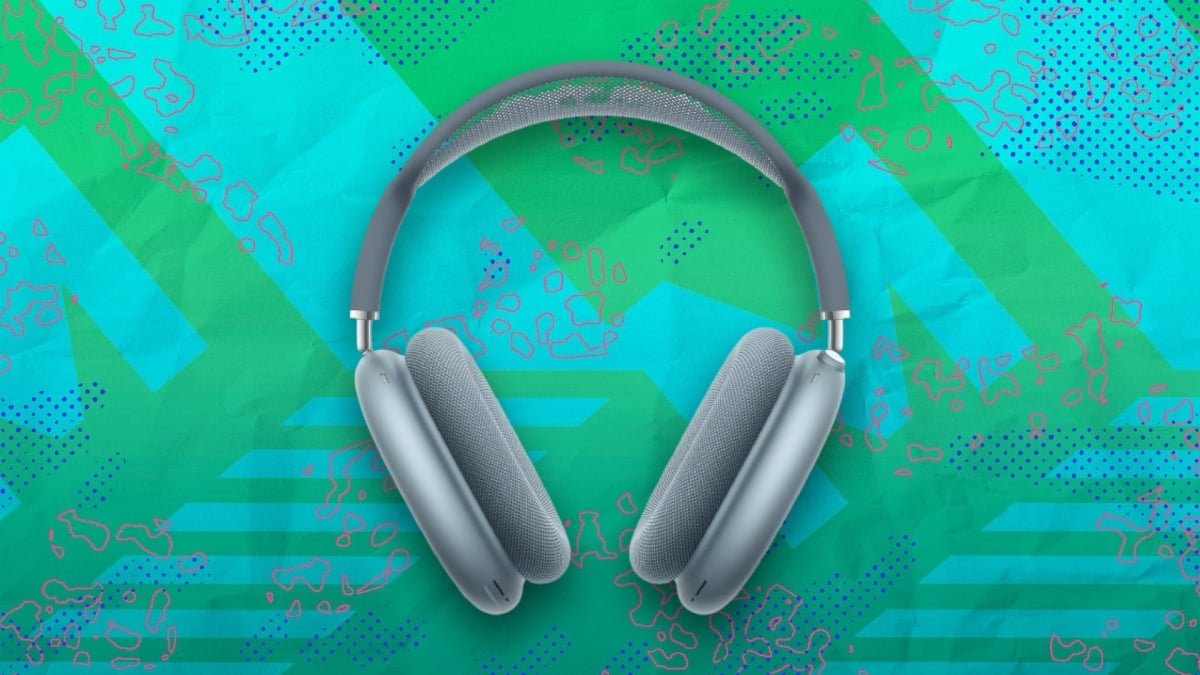
Beyond the silicon, the physical architecture reflects a departure from the industry-standard reliance on high-density plastics. Apple employs an anodized aluminum frame, which provides structural rigidity while minimizing vibrational distortion. The canopy, constructed from a breathable knit mesh, is engineered to distribute weight across the crown of the head, mitigating the pressure points often associated with heavy, metal-clad hardware. Internally, the custom-designed dynamic driver features a dual-neodymium ring magnet motor, which maintains total harmonic distortion to less than 1 percent across the audible range, even at peak volume. This integration of material science and digital signal processing positions the device as a hybrid instrument, balancing the tactile satisfaction of premium hardware with the analytical precision of a software-driven audio system.
Industry Landscape and Competitive Comparison
The market for flagship noise-canceling headphones is arguably more saturated than at any point in the last decade. While the Apple AirPods Max 2 excel in computational audio and ecosystem integration, they operate within a field of formidable competitors, including the Sennheiser Momentum 4 and the Bose QuietComfort Ultra. Each of these devices targets a slightly different demographic: Bose prioritizes industry-leading noise cancellation for frequent travelers, while Sennheiser focuses on purist audio fidelity and extended battery longevity.
The following table provides a technical comparison of these flagship devices to contextualize the current market standing of the AirPods Max 2:
| Feature | Apple AirPods Max 2 | Bose QuietComfort Ultra | Sennheiser Momentum 4 |
|---|---|---|---|
| Processor | H2 Chip | Proprietary DSP | Adaptive Noise Cancellation |
| Battery Life | Up to 20 Hours | Up to 24 Hours | Up to 60 Hours |
| Material | Aluminum & Mesh | Plastic & Synthetic Leather | Plastic & Fabric |
| Ecosystem | Deep iOS Integration | Universal | Universal |
For the average consumer, the choice often hinges on the “ecosystem tax.” Users heavily invested in the Apple hardware stack—utilizing iPhone, iPad, and Mac simultaneously—will find the seamless device switching and spatial audio rendering of the AirPods Max 2 difficult to replicate on third-party hardware. Conversely, those seeking raw battery longevity for long-haul travel or specific audiophile-grade codecs may find the Sennheiser or Bose offerings more aligned with their functional requirements.
Practical Consumer & Enterprise Takeaways
For the prospective buyer, the current $419 price point represents a significant reduction in the barrier to entry. When evaluating an upgrade, consumers should consider their primary use case. If the goal is office productivity, the transparency mode on the AirPods Max 2 remains the industry standard, allowing for natural-sounding conversations without the need to remove the headset. However, the lack of a true power-off switch—relying instead on the low-power mode provided by the Smart Case—is a design choice that requires a change in user habits compared to traditional headphones.
Enterprise users should also weigh the implications of the H2 chip’s integration. In professional environments where clear communication is paramount, the beam-forming microphones and computational voice isolation provide a distinct advantage for video conferencing. The cost-benefit analysis favors the AirPods Max 2 for those who prioritize build longevity and software-driven features over the lightweight, folding designs common in travel-oriented competitors.
Frequently Asked Questions
Is the current $419 price point likely to drop further during the holiday season?
While retail fluctuations are difficult to predict, $419 represents a aggressive discount for a flagship Apple product. Historically, Apple hardware rarely sees deeper discounts outside of major retail events, making this price point a reliable target for those waiting to purchase.
Does the AirPods Max 2 offer significant upgrades over the original model?
The primary improvements center on the H2 processor, which enables more advanced computational audio, improved noise cancellation, and enhanced connectivity features within the Apple ecosystem. While the physical silhouette remains similar, the backend processing power provides a tangible difference in audio clarity.
Are these headphones compatible with non-Apple devices?
Yes, the AirPods Max 2 function as standard Bluetooth headphones when paired with Android or Windows devices. However, users will lose access to proprietary features such as spatial audio head-tracking, automatic device switching, and granular EQ settings managed through the iOS control center.
The Bottom Line
The Apple AirPods Max 2 occupy a unique space in the audio market, successfully merging high-end industrial design with sophisticated computational processing. While the device faces stiff competition regarding battery life and portability, its integration within the Apple ecosystem remains unmatched. The current holiday pricing correction makes this an opportune moment for those who have previously been deterred by the $549 MSRP. For the consumer who values a combination of build quality, consistent software performance, and acoustic fidelity, the AirPods Max 2 now represent a balanced value proposition that justifies their place at the top of the premium audio segment.
