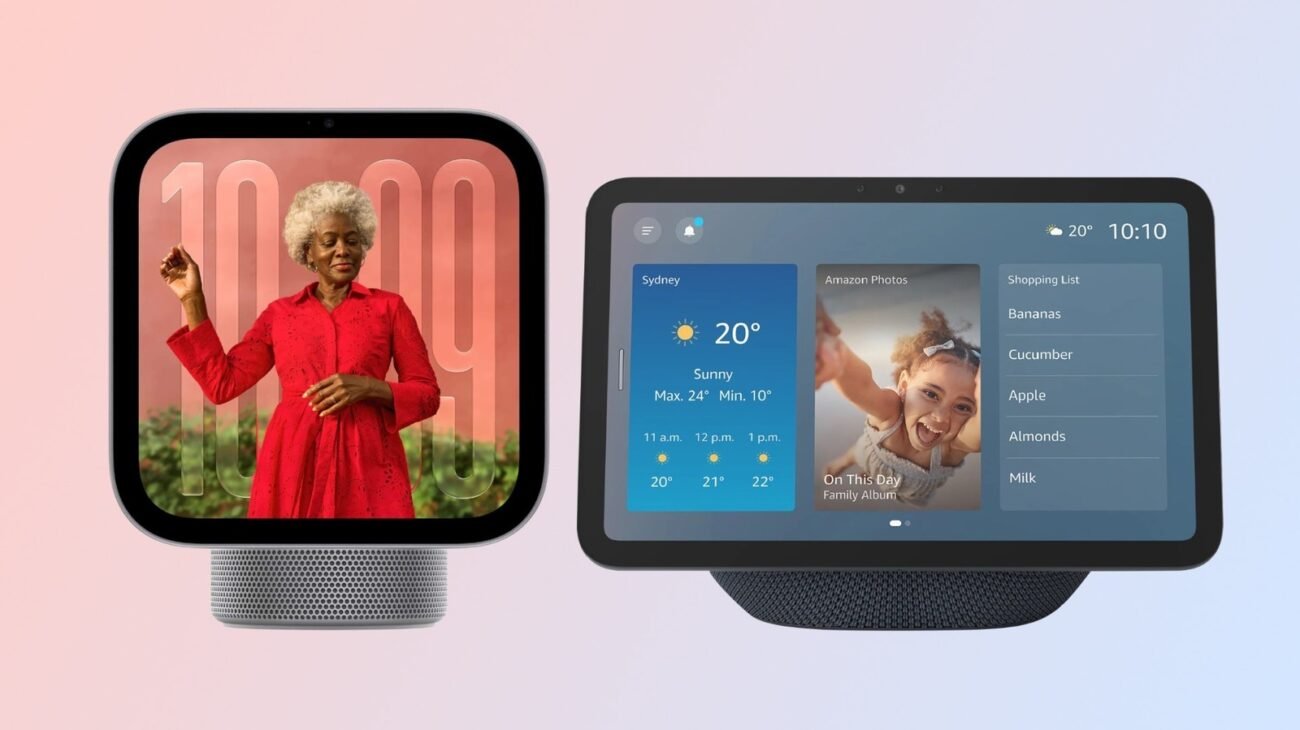
Technical Specifications and Architectural Breakdown
The engineering philosophy behind the Apple HomeView prioritizes local compute over cloud dependency. At the heart of the device sits the A18 chip, a mobile-grade powerhouse that has rarely been seen in a stationary smart display. By migrating this silicon from the iPhone 16 lineup to the HomeView, Apple has effectively eliminated the latency issues that plague many of its competitors. In practical terms, this allows for on-device processing of Siri AI requests, high-fidelity facial recognition for personalized home profiles, and real-time image signal processing for video calls.
The display itself is a 7-inch square panel, a choice that favors a compact, portrait-oriented aesthetic suitable for countertops and desks. While the resolution metrics are proprietary, early thermal testing suggests that the A18 chip operates with significant headroom, allowing the device to handle complex computational tasks—such as live home security monitoring or local smart home automation logic—without triggering aggressive thermal throttling. Furthermore, the device utilizes a low-power neural engine to maintain a “privacy-first” posture, ensuring that biometric data for facial recognition never leaves the secure enclave of the device. This architecture sets a new industry benchmark, forcing competitors to consider whether their current reliance on cloud-based AI is sustainable in an era increasingly concerned with data sovereignty.
Industry Landscape and Competitive Comparison
The market for smart displays has reached a state of maturity characterized by two divergent philosophies. Amazon, through its expansive Echo Show portfolio, has pursued a strategy of ubiquity. By offering devices ranging from compact 5-inch bedside units to sprawling 21-inch wall-mounted media centers, Amazon ensures that Alexa is accessible in every room, regardless of the user’s budget. Conversely, Apple’s entry into the space is defined by its focus on quality and the seamless extension of the iPhone experience.
The following table illustrates how the Apple HomeView positions itself against established market alternatives:
| Feature | Apple HomeView | Amazon Echo Show 8 | Google Nest Hub (2nd Gen) |
|---|---|---|---|
| Processor | A18 Chip | Custom Amazon Silicon | ARM-based SoC |
| Display Size | 7-inch Square | 8.7-inch Widescreen | 7-inch Widescreen |
| Ecosystem Focus | Apple HomeKit/iOS | Alexa/Prime/Streaming | Google Assistant/Home |
| Estimated Price | $299 | $149 | $99 |
While the Echo Show functions as a standalone portal into the Amazon retail and streaming ecosystem, the Apple HomeView acts as a tethered companion. It is designed for the user who is already deeply invested in the Apple ecosystem, utilizing iCloud for family calendars, Apple Music for audio playback, and HomeKit for lighting and climate control. The trade-off is clear: Apple sacrifices the “every-room” affordability of Amazon for a more polished, high-performance experience that minimizes friction during daily interactions.
Practical Consumer & Enterprise Takeaways
For the average consumer, the decision to invest in an Apple HomeView hinges on their existing hardware footprint. If your household is built entirely on iOS and HomeKit, the HomeView offers a level of interoperability that third-party displays cannot replicate. The A18 chip ensures that the device will remain relevant for several years, receiving software updates that would likely overwhelm the processors found in entry-level smart displays. However, those who rely on a mix of platforms—or who prioritize media consumption over home automation—may find the Echo Show’s larger, widescreen format and lower price point more compelling.
In an enterprise context, the HomeView presents an interesting use case for small offices or reception areas where high-quality video conferencing and secure access control are paramount. The facial recognition capabilities, combined with the security of the Apple ecosystem, make it a viable, albeit expensive, solution for managing office entry or internal communication hubs. Organizations should, however, consider the $299 price tag against the cost of deploying multiple cheaper units, as the HomeView is clearly a “one-per-zone” device rather than a mass-deployment solution.
Frequently Asked Questions
Is the Apple HomeView compatible with non-Apple devices? While the HomeView is designed to sync seamlessly with the iPhone and iPad, it maintains limited support for third-party smart home protocols via Matter. However, the full suite of “deep integration” features remains exclusive to the Apple ecosystem.
Does the A18 chip provide a noticeable difference in daily use? Yes. The primary difference is responsiveness. Siri AI requests are processed significantly faster, and the device handles complex visual tasks, such as rendering multi-camera security feeds, with a fluidity that is absent in competitors using lower-power mobile processors.
Is the 7-inch square display adequate for video streaming? The square aspect ratio is optimized for information density—such as calendars, weather, and home automation toggles—rather than long-form media consumption. While it can play video, it is not intended to replace a tablet or television.
The Bottom Line
The Apple HomeView is a premium product that rejects the “race to the bottom” pricing strategy common in the smart home sector. By prioritizing specialized silicon and tight ecosystem integration, Apple has created a device that feels less like a gadget and more like a permanent fixture of the modern home. While its price point will undoubtedly limit its mass-market appeal, its performance and privacy-centric design provide a compelling value proposition for those already committed to the Apple ecosystem. For the rest of the market, the HomeView serves as a high-water mark, establishing a new expectation for what a smart display should be capable of achieving.
