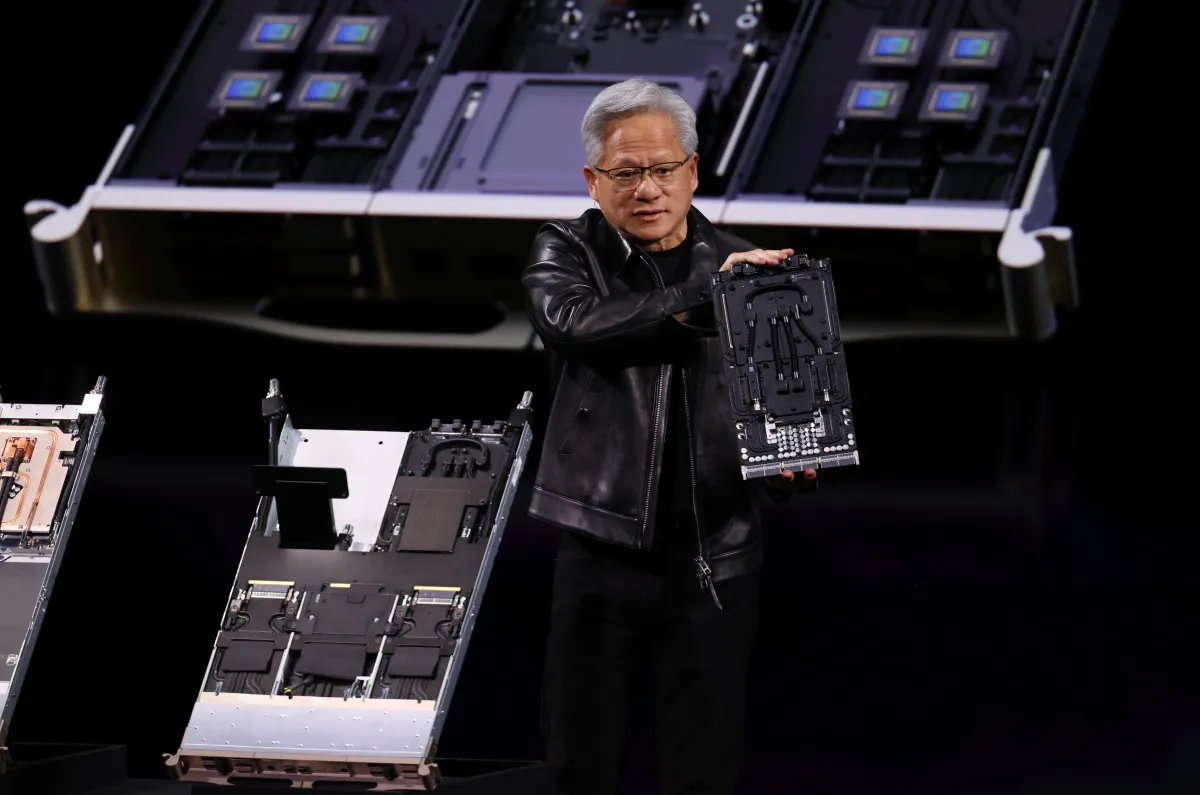
The global race for artificial intelligence supremacy has hit a structural wall, one constructed not of silicon or software, but of geopolitical friction. Recent forensic analysis has confirmed that the Nvidia Blackwell GPU, the crown jewel of current high-performance compute, is actively powering frontier AI model training within restricted jurisdictions. Despite aggressive U.S. export controls designed to starve China’s AI sector of advanced processing power, the hardware is finding its way into sanctioned labs. This development underscores a fundamental flaw in current trade policy: in an era of cloud-native AI, physical borders are increasingly irrelevant to the flow of computational capacity.
Technical Specifications and Architectural Breakdown
The Blackwell architecture represents a significant departure from the preceding Hopper generation, specifically engineered to handle the massive parameter counts of modern Large Language Models (LLMs). At the heart of the Blackwell GPU is a multi-die design that utilizes a 10TB/s chip-to-chip interconnect, allowing two reticle-limited dies to function as a single, unified processor. This architecture is designed to mitigate the bottleneck of memory bandwidth, which has historically been the primary constraint in training cycles.
Key to its performance is the second-generation Transformer Engine. By utilizing advanced low-precision formats such as FP4, the Blackwell GPU can double the compute throughput and model size capacity compared to its predecessor. The architecture also integrates a dedicated secure engine for confidential computing, a feature meant to protect proprietary model weights during training—though ironically, this security layer does nothing to prevent the unauthorized acquisition of the hardware itself. With 192GB of HBM3e memory and a massive increase in floating-point operations per second (FLOPS), the Blackwell platform is the current industry standard for training models exceeding one trillion parameters.
Industry Landscape and Competitive Comparison
The proliferation of Blackwell chips into regions like Malaysia serves as a tactical workaround for firms facing direct import bans. By establishing offshore data centers, these entities can access high-performance compute via remote sessions, effectively circumventing the intent of U.S. Department of Commerce directives. This shift has turned Southeast Asia into a critical node in the global AI supply chain, complicating the enforcement of export controls that were designed for a traditional, hardware-centric shipping model.
When evaluating the Blackwell against previous generations and competitors, the performance delta becomes clear. The transition from H100 to Blackwell is not merely an incremental clock-speed increase; it is a fundamental shift in how memory and compute are linked within the silicon.
| Specification | Nvidia H100 (Hopper) | Nvidia B200 (Blackwell) | AMD Instinct MI300X |
|---|---|---|---|
| Memory Capacity | 80GB HBM3 | 192GB HBM3e | 192GB HBM3 |
| FP8 Throughput | 2,000 TFLOPS | 5,000 TFLOPS | 2,600 TFLOPS |
| Interconnect Speed | 900 GB/s | 1.8 TB/s | 896 GB/s |
| Power Envelope | 700W | 1,000W | 750W |
Practical Consumer & Enterprise Takeaways
For enterprise-level buyers, the Blackwell GPU presents a complex cost-benefit equation. While the performance gains are undeniable, the power requirements—reaching up to 1,000W per GPU—necessitate a complete overhaul of data center cooling and power distribution infrastructure. Organizations looking to upgrade must account for the TCO (Total Cost of Ownership) beyond the initial capital expenditure of the hardware. This includes the cost of liquid cooling solutions and the potential for regulatory compliance hurdles that could freeze assets if export laws are tightened further.
Furthermore, the scarcity of Blackwell units means that supply chain transparency is no longer optional. Firms must conduct rigorous due diligence on their cloud service providers. If a provider is found to be operating in a jurisdiction that facilitates the diversion of hardware to sanctioned entities, the end-user may find their access to critical compute resources revoked overnight due to federal sanctions compliance.
Frequently Asked Questions
How are these GPUs bypassing export restrictions?
The primary method involves the use of offshore data centers in countries that do not share the same restrictive trade agreements as the United States. By hosting the hardware in these regional hubs, firms can provide remote access to their researchers in restricted countries, effectively turning the hardware into a cloud service rather than an imported commodity.
What is the risk to companies using these chips?
Companies found using hardware through unauthorized channels face severe risks, including the forfeiture of assets, massive fines, and inclusion on the Entity List, which would effectively cut them off from all U.S.-origin technology and software updates.
Is the Blackwell GPU significantly faster than the AMD MI300X?
In specific LLM training workloads, the Blackwell architecture holds a lead due to its superior interconnect speeds and specialized FP4 precision support. While the MI300X is a formidable competitor in terms of raw memory capacity and cost-per-token, the Blackwell maintains a lead in total system-level throughput for the largest frontier models.
The Bottom Line
The forensic identification of Nvidia Blackwell GPUs in restricted AI labs confirms that export policy is currently lagging behind the realities of modern compute distribution. As AI training shifts toward a cloud-based, globalized model, the physical tracking of silicon has become an insufficient tool for maintaining technological parity. The U.S. government faces a difficult choice: either tighten restrictions on the cloud providers themselves, which would have significant economic repercussions, or accept that the most advanced computational tools will eventually permeate the global market regardless of trade policy. For the industry, the takeaway is clear: the era of frictionless hardware acquisition is over, and the future of AI development will be as much about navigating geopolitical risk as it is about optimizing model architecture.
