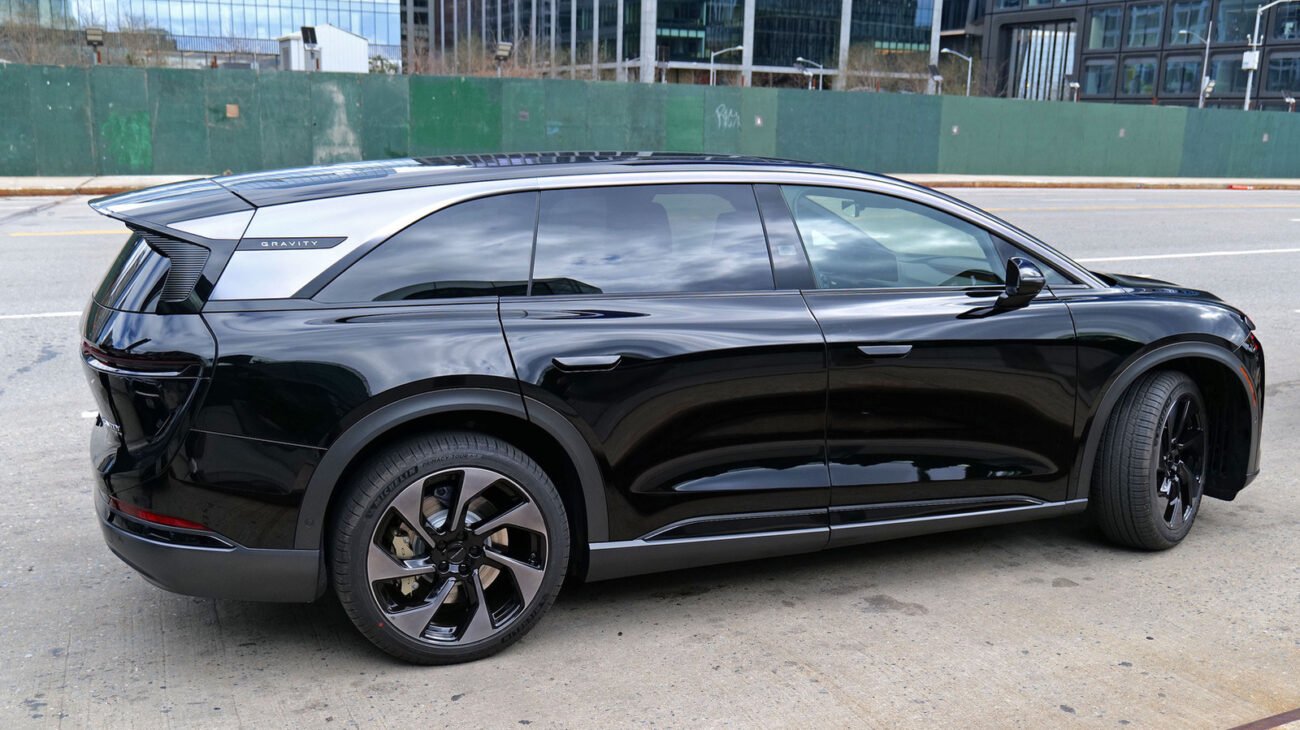
Lucid logistics gaps hinder luxury EV sales
The luxury electric vehicle market is unforgiving, and Lucid is learning this the hard way as Lucid logistics shortcomings cause a slump in third-quarter performance. CEO Silvio Napoli recently admitted to investors that the company suffered from a lack of visibility over its inventory, leading to missed delivery windows that frustrated buyers and ultimately killed potential sales.
Lucid Logistics: When vehicles vanish from the supply chain
Managing inventory is a fundamental task for any automaker, yet the firm found itself unable to locate cars during the delivery process. This chaos, while occurring at a much lower production scale than industry leaders, was significant enough to cause delivery delays of up to two weeks. The instability in Lucid logistics serves as a stark reminder that manufacturing a car is only half the battle; getting it to the customer is equally vital.
Lucid Logistics: Learning from the Tesla growth model
Industry observers have compared these struggles to the early production woes of Tesla. When Tesla faced similar issues with the Model 3, it responded by vertically integrating its transport operations, even purchasing trucking assets to maintain control. Lucid is now attempting to implement similar fixes to its Lucid logistics framework. The goal is to provide the commercial team with reliable data on vehicle availability to prevent future order cancellations.
Addressing the core financial hurdles
Despite the operational mess, the company maintains strong backing from the Saudi Public Investment Fund, which recently provided $1.75 billion in fresh funding. This is critical, as the company reported an $831 million loss on $350 million in revenue, suggesting the cost of manufacturing remains far too high. Fixing Lucid logistics will help with delivery speed, but the firm must also address its underlying production cost structure to reach profitability.
What this means for the consumer
For potential buyers, these delays are a sign of a company in transition. While the technology within the Air and Gravity models is highly regarded, the brand’s ability to fulfill orders consistently is still being tested. By mid-2026, the company expects its updated Lucid logistics systems to be fully operational, hopefully ensuring that the vehicle buying process matches the premium nature of the cars themselves.
For full official background and direct documentation, read the source coverage on Engadget.com Reporting.
