Technical Specifications and Architectural Breakdown
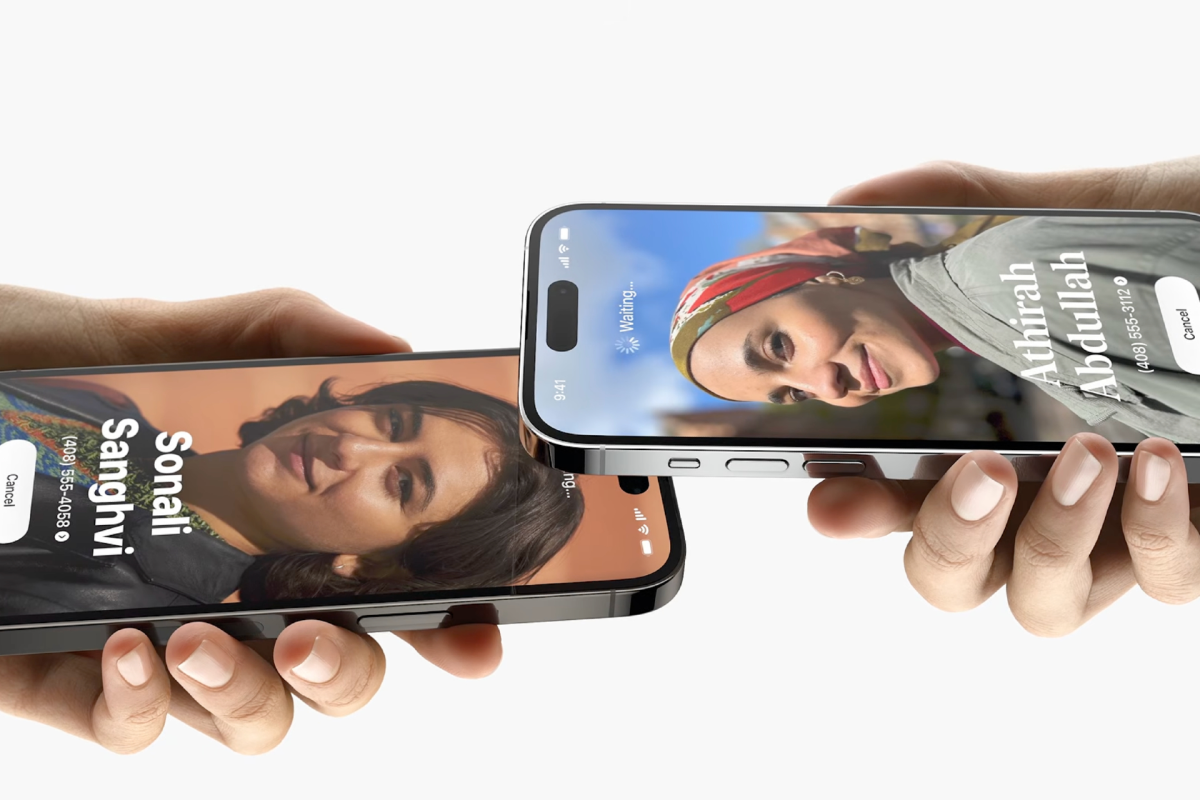
To understand the gravity of the litigation, one must examine the engineering architecture that facilitates tap-to-share contact exchanges. Modern proximity sharing relies on a sophisticated stack of hardware-software calibration. Typically, this process begins with a low-power discovery phase, often utilizing Bluetooth Low Energy (BLE) beacons to identify devices within a specific proximity threshold—usually less than a few centimeters.
Once the devices detect one another, the system initiates a secure handshake. This requires a synchronized exchange of cryptographic keys to ensure that the data transfer is both intentional and secure. In the case of Apple’s implementation, the process integrates deeply with the Ultra-Wideband (UWB) chip found in newer iPhone models. The UWB technology allows for precise spatial awareness, ensuring that the sharing trigger is limited to devices in immediate physical proximity, thereby preventing accidental or malicious data interception.
GG Technologies argues that its StayTouch framework established the foundational logic for this handshake protocol. The startup’s 781-page filing suggests that the methodology for managing state transitions—moving from a discovery state to a secure, encrypted data exchange—was effectively replicated in the iOS environment. For Apple, the defense likely hinges on the argument that their implementation is a distinct evolution of existing standards, relying on proprietary UWB integration and the unique iOS sandbox environment, rather than the specific logic claims outlined in the StayTouch patent.
Industry Landscape and Competitive Comparison
Contact sharing has evolved significantly from the days of manual QR code scanning and infrared beam transfers. The industry has shifted toward automatic discovery protocols that prioritize speed and security. While Apple’s NameDrop is currently the most visible iteration, it exists within a landscape of various proximity-sharing solutions, ranging from Android’s Nearby Share (now Quick Share) to third-party utility applications.
| Technology | Primary Protocol | Proximity Requirement | Hardware Dependency |
|---|---|---|---|
| NameDrop (Apple) | Proprietary UWB/BLE | Physical Touch/Near-Touch | High (UWB chip) |
| Quick Share (Android) | BLE/Wi-Fi Direct | Within 3-5 Meters | Low (Standard BT/Wi-Fi) |
| StayTouch (GG Tech) | Proprietary Handshake | Immediate Proximity | Software-Centric |
The competitive landscape highlights a clear divide between hardware-dependent solutions and software-agnostic protocols. Apple’s reliance on UWB gives it an edge in precision, yet this very specificity makes it a target for patent claims that focus on the underlying logic of proximity-based handshakes. Conversely, broader solutions like Quick Share prioritize interoperability, trading some granular precision for a wider range of compatible devices.
Practical Consumer & Enterprise Takeaways
For the average user, this litigation remains largely academic in the short term. Apple is unlikely to disable NameDrop while the case proceeds through the Indian judicial system. However, for enterprise users who rely on secure contact exchange for networking, the dispute serves as a reminder of the fragility of software features tied to proprietary ecosystems.
Businesses currently investing in proximity-based networking tools should prioritize platforms that maintain transparent licensing and open-standard communication protocols. Relying on a single vendor’s proprietary sharing feature carries the inherent risk that such features could be subject to injunctions or temporary outages if intellectual property disputes arise. When evaluating enterprise software for contact management, it is prudent to ensure that the vendor has a clear IP portfolio and is not reliant on disputed methodologies that could be legally compromised.
Frequently Asked Questions
Will Apple be forced to disable NameDrop if they lose the lawsuit?
If the court rules in favor of GG Technologies, Apple could face an injunction preventing the use of the infringing technology in the Indian market. However, such outcomes are often resolved through licensing agreements or software updates that modify the underlying protocol to avoid the specific claims of the patent, rather than a total removal of the feature.
How does this affect users outside of India?
Patent law is territorial. A ruling in India would not automatically apply to the United States or Europe. However, if the patent claims are found to be robust and valid, it could encourage similar litigation in other jurisdictions, potentially forcing Apple to adopt a global strategy for its sharing protocols.
Does this dispute impact the security of my contact data?
No. The current legal challenge is focused on the intellectual property and the method of initiating the transfer, not the encryption or the security of the data itself. Users should continue to follow standard security practices, such as verifying the identity of the person they are sharing information with, regardless of the underlying technology.
The Bottom Line
The dispute between GG Technologies and Apple serves as a high-stakes case study in the tension between innovation and litigation. As mobile technology becomes increasingly granular, the patents governing how devices “talk” to one another are becoming just as valuable as the hardware itself. While Apple’s engineering prowess is well-documented, the legal challenge in India underscores that even the most dominant players are susceptible to claims of ownership over foundational user-experience concepts. For now, the feature remains functional, but the industry should prepare for a long-term shift in how proximity-based sharing technologies are developed and protected.
