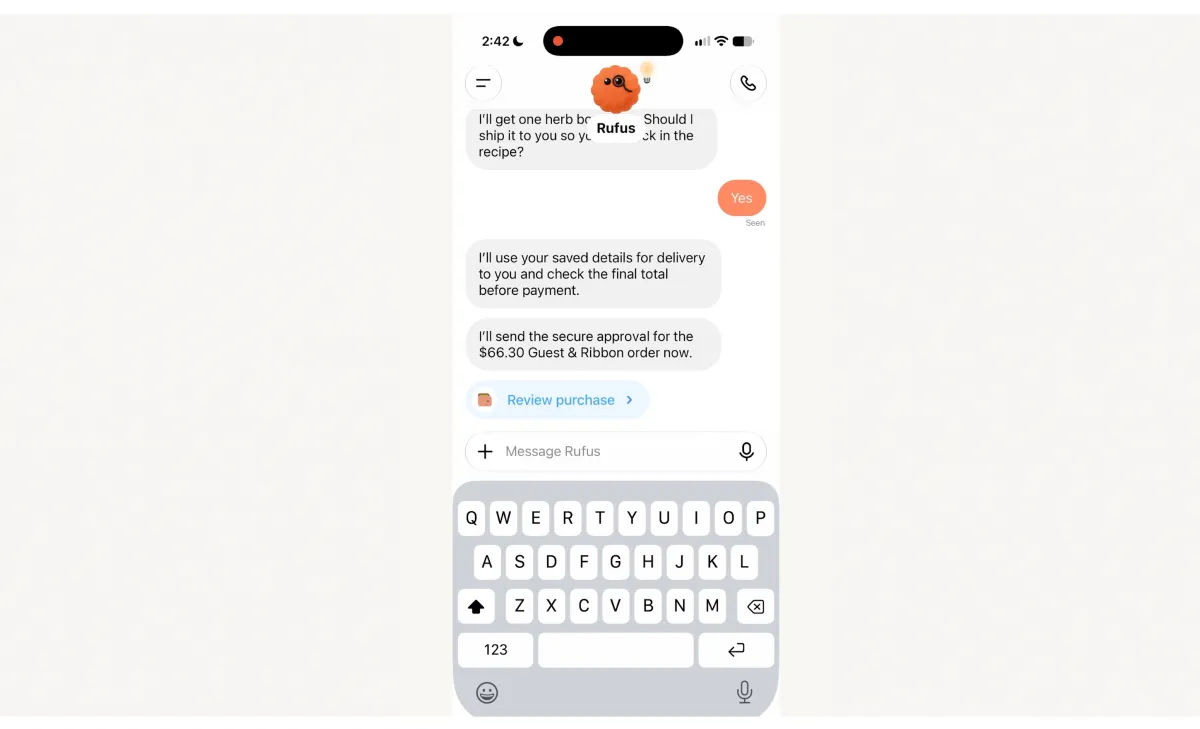
The transition from generative AI as a passive conversationalist to an autonomous economic actor has long been the industry’s most anticipated milestone. With the introduction of the ChatGPT Wallet, OpenAI has moved beyond mere text synthesis, positioning its platform as a functional intermediary in the global retail infrastructure. By enabling AI agents to execute transactions on behalf of users, the company is effectively shifting the burden of digital commerce from human manual entry to algorithmic execution. This development marks a fundamental pivot in how consumers interact with the digital economy, signaling the arrival of agentic commerce as a standard operational model rather than a theoretical experiment.
Technical Specifications and Architectural Breakdown
The engineering philosophy behind the ChatGPT Wallet prioritizes the decoupling of sensitive financial identifiers from merchant-facing data. At its core, the system utilizes a proprietary tokenization engine that replaces raw credit card information with ephemeral, single-use payment tokens. When a user authorizes a purchase, the agent does not transmit the primary account number (PAN) to the retail platform. Instead, the wallet generates a cryptographically signed token that is verified through a secure handshake between OpenAI’s infrastructure and the payment processor.
To ensure security, the architecture relies on a multi-layered authentication protocol. Every transaction requires biometric verification—typically via face or fingerprint recognition on the user’s mobile device—before the wallet releases the payment token. This “human-in-the-loop” requirement serves as a critical safeguard against unauthorized autonomous spending. Furthermore, the system employs a sandboxed execution environment where the agent’s permissions are strictly scoped. The agent has access to a pre-defined subset of user data, such as shipping addresses and contact preferences, but lacks the ability to access the underlying funding source directly. This compartmentalization ensures that even in the event of a merchant-side data breach, the user’s financial credentials remain isolated and immutable.
Benchmarks for transaction latency suggest that the wallet’s integration with major payment gateways, including Stripe and Adyen, keeps the checkout process under 500 milliseconds, excluding the user’s biometric authorization time. This efficiency is achieved through pre-warmed API connections that maintain persistent, secure tunnels between the wallet and the payment network, reducing the overhead typically associated with standard web-based checkout flows.
Industry Landscape and Competitive Comparison
The introduction of the ChatGPT Wallet forces a recalibration of the competitive landscape. For years, retail giants like Amazon have maintained walled gardens, restricting third-party agents from accessing their checkout flows to preserve control over customer data and the purchasing experience. OpenAI’s move challenges this closed-ecosystem model by offering a platform-agnostic wallet that functions across a broad spectrum of retailers, provided they support standard payment APIs.
| Feature | ChatGPT Wallet | Amazon Alexa (Shopping) | Browser-Based Autofill |
|---|---|---|---|
| Autonomy | Full transaction execution | Limited to Amazon-owned inventory | Manual user confirmation required |
| Cross-Platform | Retailer-agnostic | Proprietary ecosystem only | Universal |
| Security | Biometric tokenization | Account-linked password/voice | Stored browser data (less secure) |
| Privacy | Isolated data exposure | Data harvested by Amazon | Variable by browser |
While incumbents like Amazon rely on deep integration to streamline shopping, their utility is largely confined to their own catalogs. The ChatGPT Wallet, conversely, aims to act as a universal layer that sits between the user and the entire web. This approach positions OpenAI in direct competition with traditional digital wallets like Apple Pay and Google Pay, though with the added layer of agentic decision-making capabilities that current mobile wallets lack.
Practical Consumer & Enterprise Takeaways
For the average consumer, the ChatGPT Wallet represents a trade-off between convenience and the delegation of financial authority. Users should view this as an upgrade to their existing autofill services, albeit one that requires a higher degree of trust in OpenAI’s security protocols. Before enabling the feature, consumers must audit their linked payment methods and establish strict spending limits within the wallet’s dashboard. Enterprise users and small business owners may find value in the wallet’s ability to automate procurement processes, such as restocking office supplies or managing recurring subscriptions, provided the agent is governed by clear, pre-set authorization rules.
The cost-benefit analysis favors those who frequently engage in high-volume, low-complexity transactions. However, for high-value purchases or items requiring significant research, the current iteration of the wallet is best utilized as a final checkout mechanism rather than a primary shopping advisor. Users should remain cautious of “agent hallucination,” where an agent might misinterpret a product specification, leading to an unintended purchase. As such, the wallet should be treated as a tool for execution, not as a replacement for human due diligence.
Frequently Asked Questions
What happens if the ChatGPT Wallet makes an unauthorized or incorrect purchase?
OpenAI has implemented a dispute resolution protocol within the wallet interface. Because the wallet uses tokenized payments, users can revoke the token associated with a specific transaction immediately. Furthermore, since transactions require biometric authorization, the liability framework is designed to mirror standard credit card protection policies.
Is the wallet compatible with all online retailers?
Compatibility is contingent upon the retailer’s support for standard payment gateways that integrate with OpenAI’s tokenization protocol. While major e-commerce platforms are likely to adopt this integration to reduce cart abandonment, smaller, bespoke retail sites may not be supported at launch.
How does the wallet handle dynamic pricing or shipping costs?
The agent is programmed to present a final summary of the transaction, including all taxes, shipping fees, and dynamic pricing adjustments, for the user’s final biometric approval. No transaction is finalized until the user reviews the total cost generated by the agent’s interaction with the merchant’s checkout API.
The Bottom Line
The ChatGPT Wallet is a calculated move to integrate AI into the foundational layer of consumer finance. By focusing on security through tokenization and biometric authentication, OpenAI has addressed the primary hurdles to adoption—namely, the fear of autonomous financial loss. While the technology is currently in its nascent stages, its potential to standardize cross-platform shopping is significant. For the industry, this is a clear signal that the future of commerce will be driven by agents that act rather than just advise. For the consumer, it offers a glimpse into a frictionless retail future, provided they maintain the necessary oversight to ensure their digital agents remain aligned with their financial interests.
