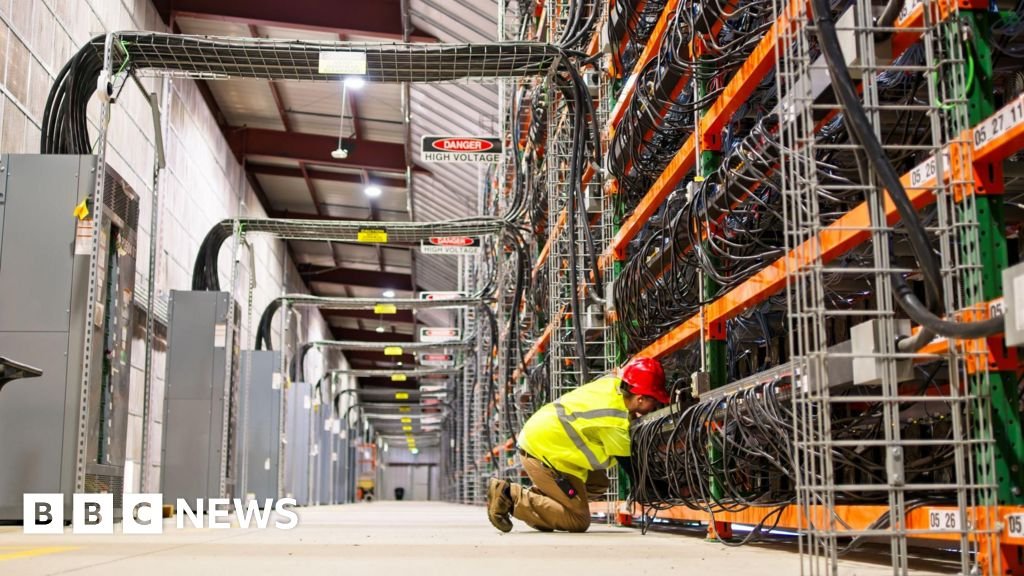
Massive Data Centre: Digital Reef Challenges Green Belt With Data Centre Plan
In North Ockendon, a quiet corner of the London green belt, a conflict is brewing over plans to construct a massive data centre campus. Digital Reef argues the facility will provide essential infrastructure for a modern economy. Local residents, however, are fighting to keep the land rural, arguing that the project would fundamentally destroy their quality of life.
Massive Data Centre: The Growing Need for Digital Capacity
The UK currently hosts approximately 477 data centres, and construction researchers at Barbour ABI suggest this number will climb significantly as AI integration accelerates. Building a massive data centre requires specific geographic and electrical conditions, which is why 28 new projects are currently slated for the Thames Water Catchment area. However, the Greater London Authority notes that energy grid capacity is rapidly becoming the limiting factor, with connection wait times in London far exceeding those in other European markets.
Massive Data Centre: Community Impact and Environmental Burden
The concerns raised by the North Ockendon community are multi-faceted. Beyond the immediate disruption of an 8 to 20-year construction timeline, there are fears regarding the operational impact of the facility. Residents already experience occasional power cuts, and the addition of a massive data centre could place further strain on local utilities. Furthermore, the environmental toll of cooling these machines is substantial, requiring billions of litres of water annually, which adds to the existing pressure on local water resources.
Planning and Democratic Transparency
Friends of the Earth representative Ian Pirie has criticized the planning process as undemocratic, claiming that local voices have been ignored. The developers assert that their project will be the most sustainable in the world, yet the local community remains unconvinced. For residents like Emma Edmonds, the project represents a disregard for the sanctity of the green belt. As cities struggle to house their digital infrastructure, the debate over whether a massive data centre belongs in a rural setting will likely intensify.
Strategic Implications for Industry
The standoff in Havering is indicative of a broader trend where digital infrastructure needs clash with local environmental protections. Important factors for developers to consider include:
- Public perception and democratic engagement are critical to project success.
- Water and energy consumption metrics are now central to planning disputes.
- The scarcity of suitable land is forcing developers to target sensitive areas.
As the government and companies look to expand, the North Ockendon project remains a test case for whether the industry can successfully integrate into rural areas without alienating the local population. The final decision will set a precedent for every massive data centre proposed in the coming decade.
For full official background and direct documentation, read the source coverage on Bbc.com Reporting.
