Technical Specifications and Architectural Breakdown
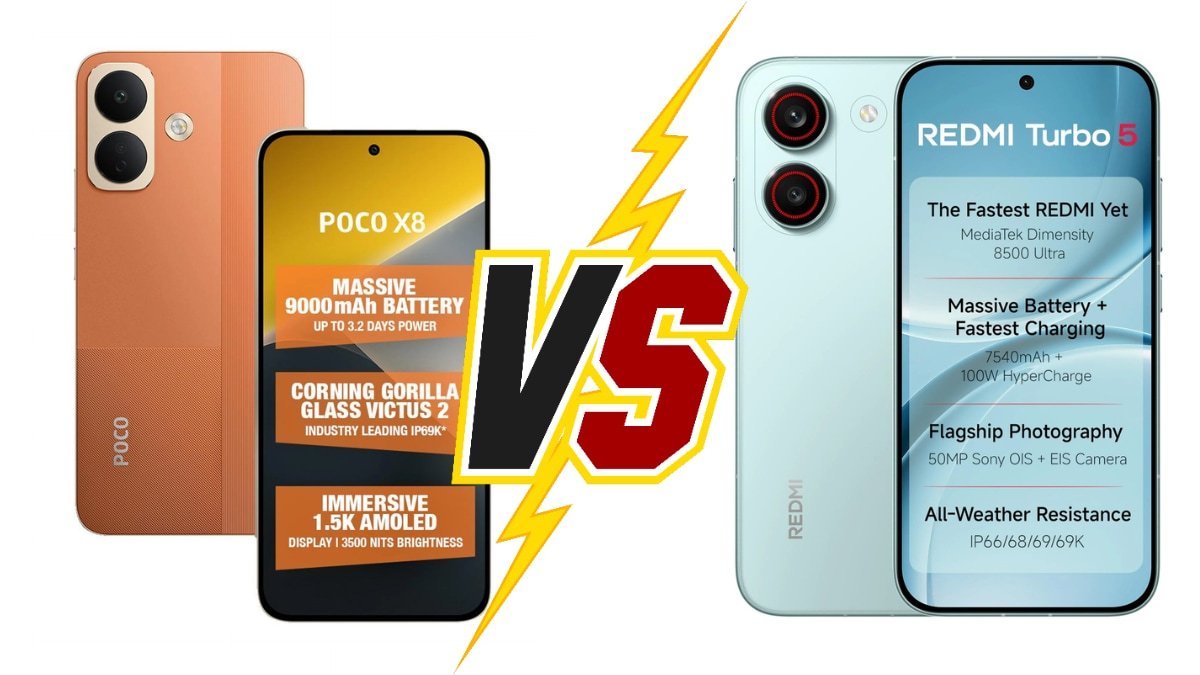
The engineering choices within the Poco X8 indicate a deliberate focus on the user’s primary point of interaction: the display. The device features a 6.83-inch AMOLED panel, pushing the boundaries of what is typically expected at this price point. By opting for a 1.5K resolution, the Poco X8 maintains a high pixel density while mitigating the battery drain associated with full 4K mobile displays. The integration of Corning Gorilla Glass Victus 2 is a significant architectural upgrade, signaling a move toward premium-tier durability standards in mid-range devices. This glass composition offers superior resistance to drops on rough surfaces, a practical necessity for a device with such a large footprint.
Under the hood, the Poco X8 utilizes the Snapdragon 6s Gen 4 platform. Built on a 4nm process, this chipset prioritizes power efficiency and thermal stability over peak clock speeds. The inclusion of UFS 4.1 storage is a notable inclusion, as it drastically reduces file transfer times and application loading latency compared to the older UFS 3.1 standard. This hardware stack is optimized for the general consumer who values fluid UI navigation, reliable battery life, and high-speed data access.
Conversely, the Redmi Turbo 5 adopts the MediaTek Dimensity 8500-Ultra. This chipset is engineered for high-throughput tasks, utilizing a more aggressive thermal management profile to sustain performance during extended gaming sessions or video rendering. While the Poco X8 focuses on the visual experience, the Redmi Turbo 5 is built for the “power user” demographic, sacrificing some screen real estate—opting for a more compact 6.59-inch panel—to accommodate the cooling infrastructure required for its more potent silicon.
Industry Landscape and Competitive Comparison
The strategic split between the Poco X8 and the Redmi Turbo 5 highlights how Xiaomi is effectively insulating itself against market saturation. By offering two distinct paths, the company ensures that consumers do not have to compromise on their specific priorities. However, this also places these devices in direct competition with older premium-tier handsets that are seeing price reductions.
| Feature | Poco X8 | Redmi Turbo 5 | Previous Gen (Poco X7) |
|---|---|---|---|
| Display Size | 6.83-inch AMOLED | 6.59-inch AMOLED | 6.67-inch AMOLED |
| Processor | Snapdragon 6s Gen 4 | Dimensity 8500-Ultra | Snapdragon 7 Gen 2 |
| Storage Type | UFS 4.1 | UFS 4.0 | UFS 3.1 |
| Protection | Gorilla Glass Victus 2 | Gorilla Glass 5 | Gorilla Glass 5 |
This comparison illustrates that while the Poco X8 makes strides in display technology and storage speed, the Redmi Turbo 5 remains the superior choice for raw processing benchmarks. The previous generation, the Poco X7, now serves as a budget-conscious alternative, though it lacks the advanced storage protocols and display protection found in the current flagship-tier mid-rangers.
Practical Consumer & Enterprise Takeaways
For the average consumer, the choice between these two devices comes down to usage patterns. The Poco X8 is an ideal candidate for media consumption. Its larger display and superior glass protection make it better suited for long-form video streaming and general daily use where the device is prone to accidental drops. Its hardware is more than capable of handling high-resolution media playback and standard multitasking.
Enterprise users should consider the Poco X8 for field-based roles where screen real estate is a benefit for data entry or document review. The efficiency of the Snapdragon 6s Gen 4 also translates to better battery longevity during long shifts. However, for organizations deploying mobile devices for specialized tasks like AR/VR applications or complex data visualization, the Redmi Turbo 5 is the necessary choice. The Dimensity 8500-Ultra provides the computational headroom required for these intensive software environments.
Frequently Asked Questions
Does the Poco X8 support expandable storage?
The current architecture of the Poco X8 favors high-speed UFS 4.1 internal storage. As is standard with modern high-performance mobile hardware, the device does not include a microSD card slot, as external media would create a bottleneck for the system’s overall read/write speeds.
Is the Poco X8 suitable for competitive mobile gaming?
While the Poco X8 is highly capable of running modern titles at medium-to-high settings, it is not optimized for competitive “pro” gaming. Users seeking maximum frame rates in titles like Genshin Impact or Call of Duty: Mobile should opt for the Redmi Turbo 5, which features a more robust thermal management system and a higher-clocked chipset.
How does the 3,840Hz PWM dimming on the Redmi compare to the Poco X8?
The Redmi Turbo 5’s higher PWM dimming frequency is designed to reduce eye strain for users sensitive to screen flicker. While the Poco X8 provides a high-quality visual experience, the Redmi’s dimming technology is specifically tuned for users who spend extensive hours looking at their screens in low-light environments.
The Bottom Line
The Poco X8 stands as a testament to the maturation of the mid-range market. By prioritizing the user interface, display durability, and storage speed, it successfully carves out a niche for the content-focused consumer. It does not attempt to be the fastest device on the market; instead, it aims to be the most reliable and visually satisfying. When viewed alongside the Redmi Turbo 5, it becomes clear that Xiaomi is no longer competing against other brands alone, but is effectively competing against its own internal product categories to capture every nuance of the consumer base. For those who value a premium viewing experience and build quality, the Poco X8 is an authoritative choice in the current fiscal year.
