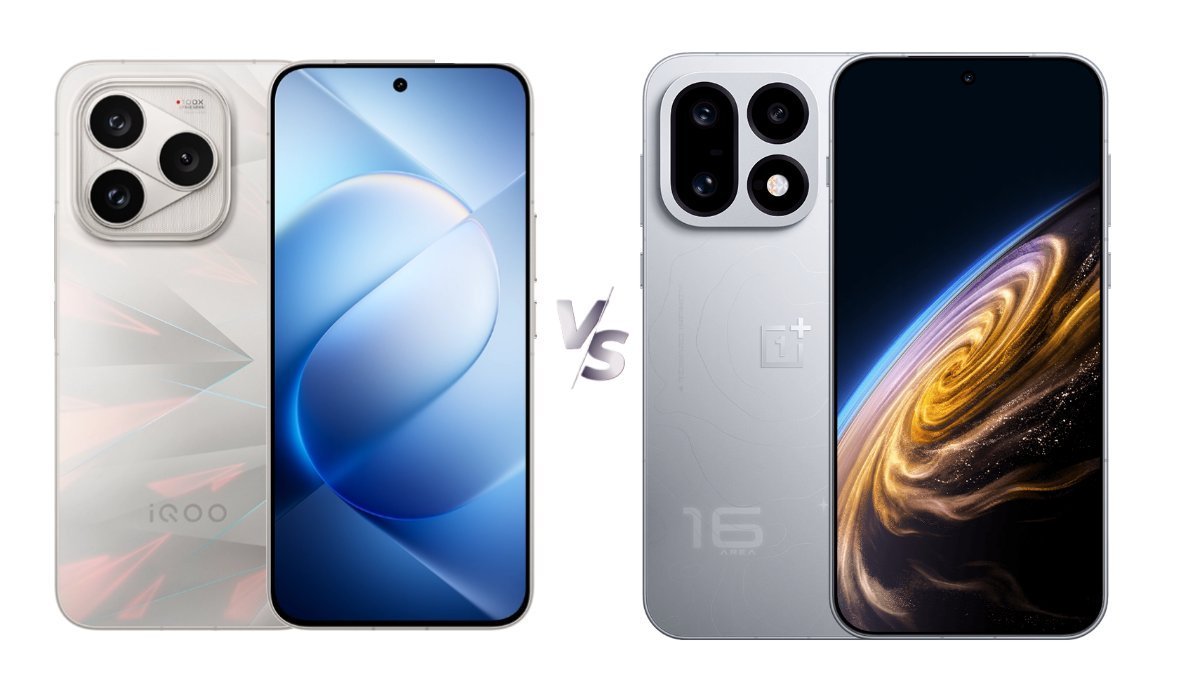
Technical Specifications and Architectural Breakdown
At the heart of the OnePlus 16 lies an architectural philosophy that prioritizes thermal management and sustained throughput over peak, short-term burst performance. While the industry has become obsessed with raw benchmark scores, the engineering team behind the OnePlus 16 has focused on the efficiency of the silicon-to-software pipeline. By optimizing the kernel to manage background processes with greater granularity, the device maintains high frame rates during extended gaming sessions without triggering the aggressive thermal throttling often seen in less refined hardware.
The device utilizes the latest flagship chipset, augmented by a custom-engineered vapor chamber cooling system that spans a significantly larger surface area than its predecessors. This hardware-software synergy is further bolstered by the integration of ‘Crystal Shield Glass.’ This material is not merely a marketing term; it represents a move toward high-alumina silicate glass compositions that offer superior drop resistance and scratch hardness compared to standard industry offerings. From an imaging perspective, the OnePlus 16 differentiates itself by employing a multi-layered sensor architecture that prioritizes color accuracy and low-light signal processing. Unlike devices that rely solely on computational photography to mask sensor limitations, the OnePlus 16 integrates high-fidelity optical hardware, ensuring that the performance-oriented internals are matched by a professional-grade imaging output.
Industry Landscape and Competitive Comparison
The Indian market has seen a surge in “performance-first” devices, with the iQOO 16 serving as the primary benchmark for raw throughput. However, the OnePlus 16 occupies a distinct space. While the iQOO 16 is designed with a singular focus on mobile esports and gaming ergonomics, the OnePlus 16 adopts a more holistic approach. It targets the “prosumer”—the user who requires a device capable of sustained heavy workloads, such as video rendering or high-end gaming, but who also demands a refined user interface and a versatile camera array for professional use.
The following table illustrates the divergence in philosophy between these two flagships and the previous generation’s baseline:
| Metric | OnePlus 16 | iQOO 16 | OnePlus 15 |
|---|---|---|---|
| Display Refresh Rate | 185Hz AMOLED | 144Hz AMOLED | 120Hz AMOLED |
| Cooling Surface Area | 9,500 sq mm | 8,200 sq mm | 6,000 sq mm |
| Primary Focus | Balanced Performance | Raw Gaming Throughput | General Utility |
| Build Material | Crystal Shield Glass | Standard Gorilla Glass | Standard Gorilla Glass |
This comparison highlights that the OnePlus 16 is not attempting to out-spec the gaming-centric competition in every single category, but rather to provide a superior user experience through higher display fluidity and more robust hardware durability. For the Indian consumer, this represents a significant shift toward devices that offer longevity and multi-purpose utility.
Practical Consumer & Enterprise Takeaways
For the average consumer, the choice between a dedicated gaming handset and the OnePlus 16 comes down to the intended lifecycle of the device. If the goal is a secondary device used exclusively for gaming, the iQOO 16 remains a viable option due to its specific gaming-centric software features. However, for users who rely on their phone as their primary computing device—handling emails, video calls, content creation, and entertainment—the OnePlus 16 offers a more stable return on investment.
Enterprise users should take note of the hardware-level security integrations and the improved thermal efficiency, which reduces battery degradation over time. The inclusion of faster, more consistent memory protocols ensures that multitasking remains fluid even as mobile applications grow in complexity. When considering the cost-benefit trade-off, the OnePlus 16 justifies its premium pricing through its versatility. It is a device that does not need to be replaced as frequently because it bridges the gap between a standard flagship and a specialized workstation.
Frequently Asked Questions
How does the 185Hz display impact battery life compared to standard 120Hz panels?
The OnePlus 16 utilizes an LTPO (Low-Temperature Polycrystalline Oxide) backplane, which dynamically adjusts the refresh rate based on content. While 185Hz provides superior fluidity, the system drops to as low as 1Hz for static content, effectively neutralizing the power consumption penalty associated with higher refresh rates.
Is the OnePlus 16 suitable for professional video editing on the go?
Yes. The combination of the latest flagship chipset and the optimized thermal management system allows for sustained rendering tasks that would cause most smartphones to throttle. The increased memory bandwidth also facilitates smoother scrubbing through 4K timelines in mobile editing suites.
Does the Crystal Shield Glass require a screen protector?
While Crystal Shield Glass offers significantly improved resistance to micro-abrasions and high-impact drops compared to traditional glass, it is not indestructible. For users in demanding environments, a high-quality tempered glass protector is still recommended, though the native glass provides a much higher baseline of protection than previous models.
The Bottom Line
The OnePlus 16 represents a mature evolution in the flagship smartphone segment. By resisting the temptation to pursue raw performance metrics at the expense of usability, OnePlus has crafted a device that addresses the actual needs of the modern, power-conscious user. It is a calculated, engineering-led response to the gaming-heavy trends of the Indian market, proving that the most effective way to compete is not by doing one thing better than everyone else, but by balancing the essential pillars of performance, durability, and versatility. For those seeking a device that serves as a reliable, long-term professional tool, the OnePlus 16 sets a standard that is currently difficult to match.
