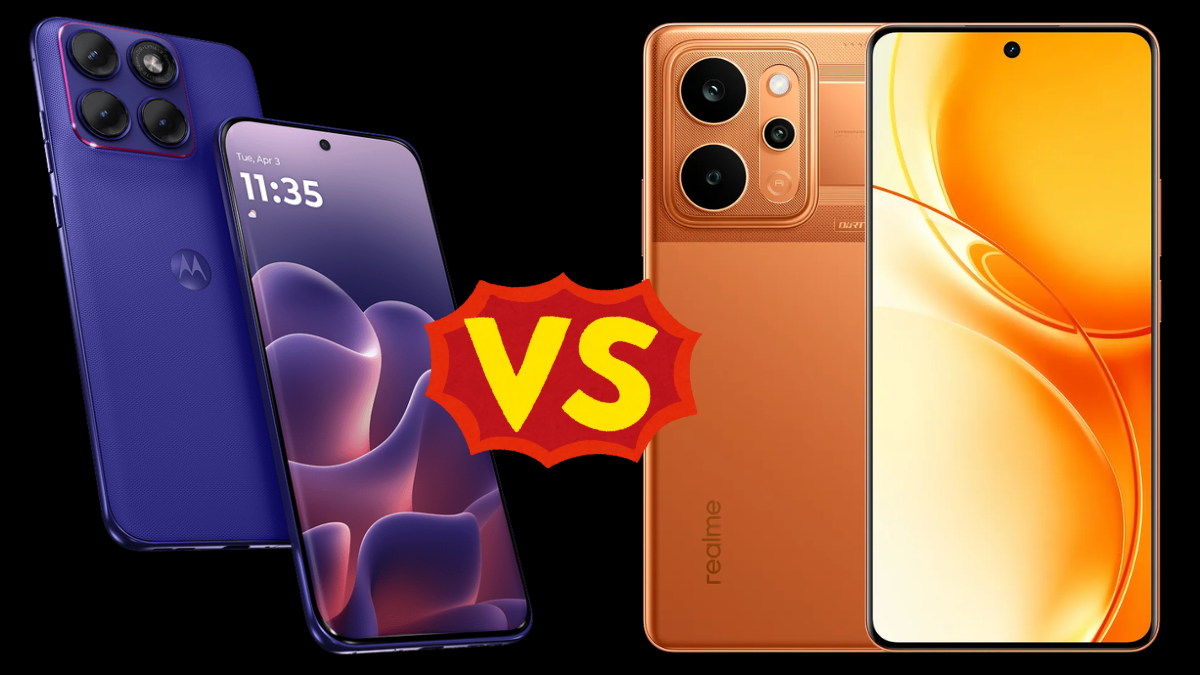
Technical Specifications and Architectural Breakdown
The Motorola Edge 70 Fusion is built upon a philosophy of balanced high-performance computing. At its core, the device utilizes a Qualcomm Snapdragon chipset optimized for thermal efficiency and sustained multitasking. Unlike devices that prioritize peak burst speed at the cost of stability, the Edge 70 Fusion utilizes an advanced vapor chamber cooling system that allows the processor to maintain higher clock speeds during extended gaming sessions or heavy computational tasks.
The defining hardware component of the Edge 70 Fusion is undoubtedly its 144Hz Extreme AMOLED panel. With a staggering peak brightness of 5,200 nits, the display is engineered to combat the harsh ambient light conditions typical of outdoor environments in India. This high-nit output is paired with a wide color gamut coverage, ensuring that the device functions as a portable workstation for digital content creators. In terms of power, the 7,000mAh battery is a deliberate choice; Motorola has prioritized a slim, ergonomic chassis that fits comfortably in the hand, opting for high-density silicon-carbon battery chemistry to achieve long-lasting performance without the bulk of traditional high-capacity cells.
Conversely, the Realme P4 Power 5G adopts a “utility-first” architecture. By integrating a 10,001mAh battery, Realme has effectively abandoned the quest for ultra-thin aesthetics in favor of multi-day uptime. This choice creates a distinct hardware footprint, as the internal layout requires a thicker chassis to accommodate the massive energy density. While the P4 Power 5G excels in longevity, the Edge 70 Fusion remains the superior choice for users who prioritize display fidelity and ergonomic comfort.
Industry Landscape and Competitive Comparison
The mid-range market is currently defined by a tension between the “lifestyle” device—represented by the Motorola Edge 70 Fusion—and the “utility” device, represented by the Realme P4 Power 5G. To understand how these devices fit into the current ecosystem, we must look at how they compare to the established benchmarks of the previous two years.
| Feature | Motorola Edge 70 Fusion | Realme P4 Power 5G | Previous Gen (Avg) |
|---|---|---|---|
| Display Peak Brightness | 5,200 nits | 2,400 nits | 1,800 nits |
| Battery Capacity | 7,000 mAh | 10,001 mAh | 5,000 mAh |
| Refresh Rate | 144Hz | 120Hz | 90Hz |
| Primary Focus | Multimedia/Ergonomics | Endurance/Utility | General Purpose |
The data illustrates a clear shift: manufacturers are no longer trying to be everything to everyone. The Motorola Edge 70 Fusion is positioned for the professional and the media enthusiast, while the Realme P4 Power 5G targets the gig-economy worker or the power user who cannot afford to be tethered to a wall outlet. The stagnation of the “general-purpose” mid-range segment suggests that the future of the smartphone lies in these distinct, vertical-specific design choices.
Practical Consumer & Enterprise Takeaways
For the average consumer, the decision between these two devices comes down to a simple trade-off: weight versus uptime. The Motorola Edge 70 Fusion is a device designed for the modern office environment and high-end media consumption. Its display technology is significantly ahead of the current industry curve, making it an ideal candidate for those who spend significant time editing photos, watching high-dynamic-range (HDR) video, or multitasking across multiple professional applications.
From an enterprise perspective, the Motorola Edge 70 Fusion offers a more refined user interface and a cleaner software experience, which typically results in fewer support tickets and better long-term reliability for corporate deployments. The Realme P4 Power 5G, however, is a specialized tool. It is an excellent choice for fleet managers, logistics personnel, or field workers who require a device that can operate for 48 to 72 hours without a charge. The cost-benefit analysis here is clear: pay for the premium display and ergonomics of the Motorola, or pay for the raw, industrial-grade power of the Realme.
Frequently Asked Questions
Does the 5,200 nits brightness on the Motorola Edge 70 Fusion cause excessive battery drain?
While high brightness levels are power-intensive, the Edge 70 Fusion utilizes an intelligent adaptive brightness algorithm that modulates the display output based on ambient light sensors. In typical usage, the screen does not maintain peak brightness, allowing the 7,000mAh battery to comfortably last through a full day of heavy professional use.
Is the 10,001mAh battery in the Realme P4 Power 5G safe for daily charging cycles?
Realme has implemented a segmented charging architecture to manage the thermal output of the 10,001mAh cell. By distributing the charge across multiple internal modules, the device maintains standard operating temperatures, ensuring that long-term battery health remains within the industry-standard degradation curve.
Which device is better suited for long-term software support?
Motorola has demonstrated a more consistent track record for security updates and OS transitions in the mid-to-high range segment. For users concerned with long-term software longevity and a bloatware-free experience, the Edge 70 Fusion is the more stable choice.
The Bottom Line
The 2026 smartphone landscape is no longer about which device has the highest number on a spec sheet, but which device aligns with your specific operational needs. The Motorola Edge 70 Fusion stands out as a triumph of balanced design, offering a best-in-class display and a sophisticated user experience that justifies its position in the premium mid-range sector. It is a device for the user who demands excellence in every interaction. Conversely, the Realme P4 Power 5G is a specialized instrument, sacrificing form for a singular, unmatched function: endurance. For the discerning buyer, the choice is not about which phone is “better,” but which philosophy of technology serves your daily life with greater precision.
