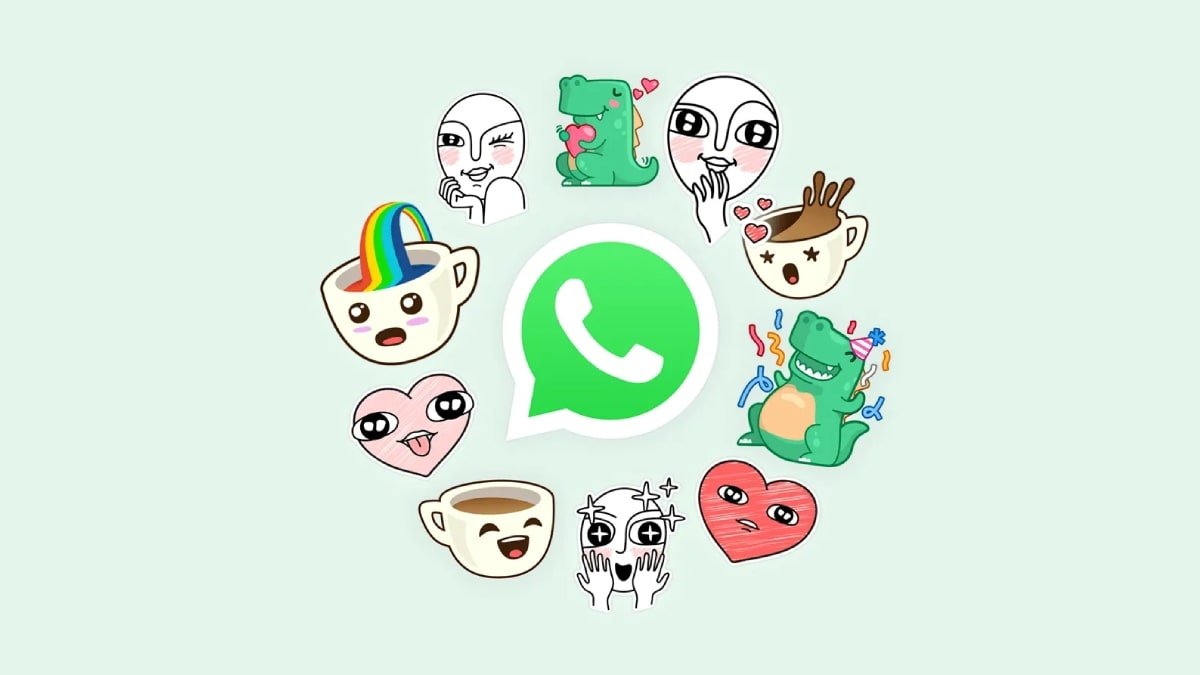
Technical Specifications and Architectural Breakdown
The engineering challenge behind implementing sticker reactions at scale is significant. Unlike standard Unicode emojis, which are rendered as lightweight text characters by the operating system, stickers are essentially rich media assets—often animated WebP or Lottie files—that require distinct processing paths. To maintain performance across a fragmented ecosystem of Android hardware, WhatsApp’s architecture employs a localized caching strategy. When a user selects a sticker as a reaction, the application does not transmit the raw image file repeatedly; instead, it broadcasts a small metadata packet containing the unique identifier of the sticker asset already present in the recipient’s local cache.
The system is currently architected to support a maximum of 20 individual stickers per message. This cap is a deliberate engineering constraint designed to prevent “rendering bloat,” where an excessive number of high-resolution animated files could lead to frame rate drops on lower-end devices or increased battery consumption. By placing the reaction shortcut directly within the message context menu, the developers have ensured that the transition from text input to visual response is seamless. The protocol utilizes a lightweight synchronization layer that ensures reaction status is reflected across all linked devices in real-time, relying on the same end-to-end encrypted transport layer that secures standard text messages. This ensures that the privacy-first mandate of the platform remains uncompromised even as the complexity of the data packets increases.
Industry Landscape and Competitive Comparison
The shift toward rich media reactions is not occurring in a vacuum. Industry incumbents like Slack, Discord, and Telegram have long utilized custom reactions to foster community engagement and streamline workflow communication. However, WhatsApp’s implementation is distinct due to its massive scale and its focus on personal, user-generated sticker packs rather than platform-wide reaction sets. Where legacy messaging models relied on simple, static feedback loops—often limited to a “thumbs up” or a “heart”—modern platforms are prioritizing granular emotional expression.
| Platform | Reaction Capability | Customization Level | Primary Use Case |
|---|---|---|---|
| Legacy SMS/MMS | None (Text-based) | Zero | Basic Utility |
| Slack | Full Emoji/Custom Icon | High | Enterprise Workflow |
| Sticker & Emoji | Moderate to High | Personal & Social |
The comparison highlights a clear trajectory: as bandwidth and mobile processing power have increased, the “cost” of rendering an animated sticker has become negligible. While older platforms struggled with memory overhead, modern hardware handles these assets with ease. WhatsApp’s decision to integrate custom stickers into the reaction menu effectively bridges the gap between the formal, professional utility of Slack and the casual, expressive nature of social-first messaging apps.
Practical Consumer & Enterprise Takeaways
For the average consumer, this update provides a new layer of personalization. Users who have curated specific sticker collections—often featuring inside jokes, local cultural references, or personal photographs—can now deploy these assets as shorthand responses. This reduces the need for follow-up messages, potentially lowering total message volume while increasing the density of meaning per interaction.
In an enterprise context, the implications are more nuanced. For teams using WhatsApp for coordination, the ability to react with stickers can serve as a non-verbal acknowledgment system. However, organizations must consider the potential for “visual clutter.” In high-velocity group chats, an influx of animated stickers can make it difficult to track critical information. Managers should establish clear communication norms, perhaps reserving reactions for non-urgent threads to ensure that the visual noise does not obscure project-critical data. From an administrative perspective, there is no direct cost, but there is a “cognitive cost” that teams must manage to maintain productivity.
Frequently Asked Questions
How does the sticker reaction system handle offline synchronization?
When a user reacts to a message while offline, the metadata packet is queued locally. Once the device re-establishes a connection, the reaction is broadcast via the synchronization layer. If the recipient is also offline, the reaction will populate their thread upon their next successful server handshake, ensuring consistent state across all clients.
Will sticker reactions consume more mobile data?
The impact is minimal. Because the system relies on the recipient already possessing the sticker asset, only the metadata—a small string of text identifying the sticker—is transmitted. The actual image data is not re-downloaded, making this feature highly efficient even on limited data plans.
Can I disable sticker reactions in group chats to reduce clutter?
As of the current implementation, there is no granular toggle to disable incoming sticker reactions within specific threads. Users must rely on existing notification settings to manage the volume of alerts, though further UI updates may eventually provide more granular control over visual rendering in high-traffic groups.
The Bottom Line
WhatsApp sticker reactions represent a logical, if long-overdue, evolution for the platform. By moving away from the rigid, one-size-fits-all emoji paradigm, the developers have acknowledged that modern digital communication is inherently personal and visual. Technically, the implementation is robust, balancing the demand for creative expression with the necessity of maintaining system stability. While the feature may introduce minor visual distractions in professional settings, its impact on user experience is overwhelmingly positive. As the platform continues to refine its feature set, the focus on rich, personalized interaction will likely remain a key differentiator in an increasingly competitive messaging market.
