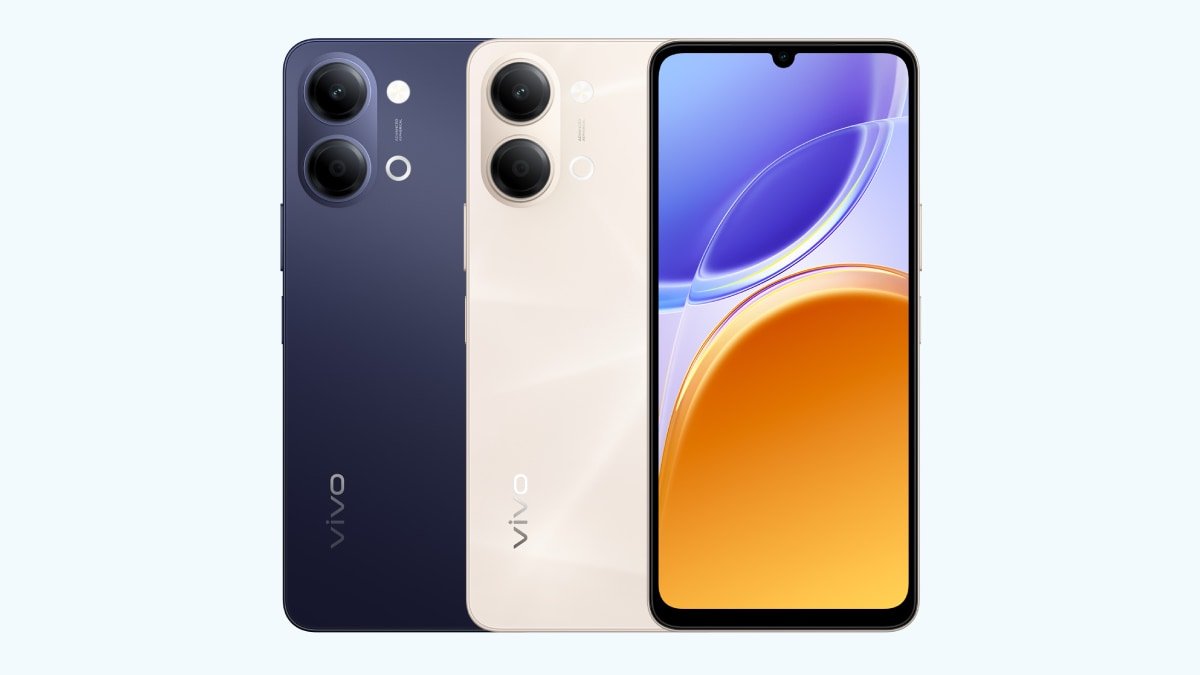
Technical Specifications and Architectural Breakdown
The Vivo Y05s is a study in calculated hardware optimization. At its core, the device utilizes the T7225 chipset, a platform chosen for its balance of thermal management and power efficiency rather than raw synthetic performance. Paired with 4GB of LPDDR4X RAM, the device is engineered to provide a stable, consistent environment for the latest iteration of OriginOS 6.0, which is built on the Android 16 framework. This configuration suggests that Vivo is prioritizing software longevity and background process management over high-intensity multitasking.
Visually, the device retains the 6.74-inch LCD panel that has become a hallmark of the Y-series. The inclusion of a 120Hz refresh rate is a notable inclusion for this price bracket, as it provides a level of UI fluidity that significantly enhances the perceived quality of the user experience. However, the most critical engineering choice is the integration of a 6,500mAh battery. By opting for high-capacity power storage, Vivo is effectively positioning the Y05s as a “utility-first” device, catering to users who prioritize multi-day battery life and reliability over the ultra-slim profiles found in premium handsets.
From a connectivity and input-output perspective, the device maintains standard protocols. The T7225 architecture supports essential 4G LTE bands, ensuring broad compatibility in emerging markets where 5G infrastructure remains in its infancy. The decision to maintain a familiar physical footprint allows Vivo to utilize existing chassis tooling, which keeps manufacturing costs low while maintaining a high standard of build quality control.
Industry Landscape and Competitive Comparison
The budget smartphone market is currently dominated by high-volume manufacturers competing on thin margins. The Vivo Y05s enters a space where competitors like Xiaomi and Samsung offer aggressive alternatives. The challenge for Vivo lies in differentiating the Y05s from its predecessor, the Y05 4G, while maintaining a price point that undercuts mid-range offerings. The following table provides a comparison of the Y05s against its predecessor and a primary competitor in the same segment.
| Feature | Vivo Y05 4G | Vivo Y05s | Competitive Alternative |
|---|---|---|---|
| Chipset | T7225 | T7225 (Refined) | MediaTek Helio G85 |
| Battery | 5,000mAh | 6,500mAh | 5,000mAh |
| Refresh Rate | 90Hz | 120Hz | 90Hz |
| OS | Android 14 | Android 16 | Android 15 |
This comparison highlights that while the internal processing power remains largely static, the significant upgrades to battery capacity and display refresh rate are clear market differentiators. In a segment where consumers often hold onto devices for three to four years, these specific improvements address the two most common pain points: screen responsiveness and power longevity.
Practical Consumer & Enterprise Takeaways
For the average consumer, the Vivo Y05s represents a pragmatic purchase. It is not designed for mobile gaming or high-end content creation; rather, it is built for long-term reliability. The 6,500mAh battery is the primary value proposition, making this device an ideal candidate for students, delivery personnel, or field workers who require a device that can endure long shifts without access to a charger.
From an enterprise perspective, the Y05s is a compelling option for fleet deployment. The stability of the T7225 platform, combined with the latest Android 16 support, ensures that enterprise applications will remain compatible for several years. Furthermore, the standardized hardware footprint simplifies the procurement of accessories, such as cases and screen protectors, reducing the total cost of ownership for businesses managing large numbers of devices. However, potential buyers should note that the 4GB RAM limitation may lead to performance bottlenecks if used for excessive multitasking or heavy background application usage.
Frequently Asked Questions
Does the Vivo Y05s support fast charging to accommodate the 6,500mAh battery?
While official documentation is pending, the architecture suggests support for standard fast-charging protocols consistent with the Y-series. Given the increased battery capacity, Vivo is expected to provide a charger capable of mitigating the longer charge times associated with a 6,500mAh cell.
Is the Vivo Y05s suitable for mobile gaming?
The device is optimized for efficiency rather than performance. While it will handle casual titles and daily applications with ease, users should not expect high-frame-rate performance in graphically demanding games due to the limitations of the T7225 chipset.
How does the Android 16 integration impact the device’s lifespan?
Starting with the latest version of Android provides the Y05s with a significant advantage in terms of software support. It ensures that the device receives the latest security patches and feature updates for a longer duration than devices launching on older software iterations.
The Bottom Line
The Vivo Y05s is a calculated exercise in hardware refinement. By focusing on the essential pillars of the budget-tier experience—specifically battery life, display fluidity, and software currency—Vivo has created a device that prioritizes utility over vanity. It is not an attempt to redefine the smartphone, but rather a functional, reliable tool designed for a specific segment of the population that demands longevity. For consumers seeking a dependable daily driver that avoids the pitfalls of early obsolescence, the Y05s serves as a prudent, if unglamorous, choice in a crowded market.
