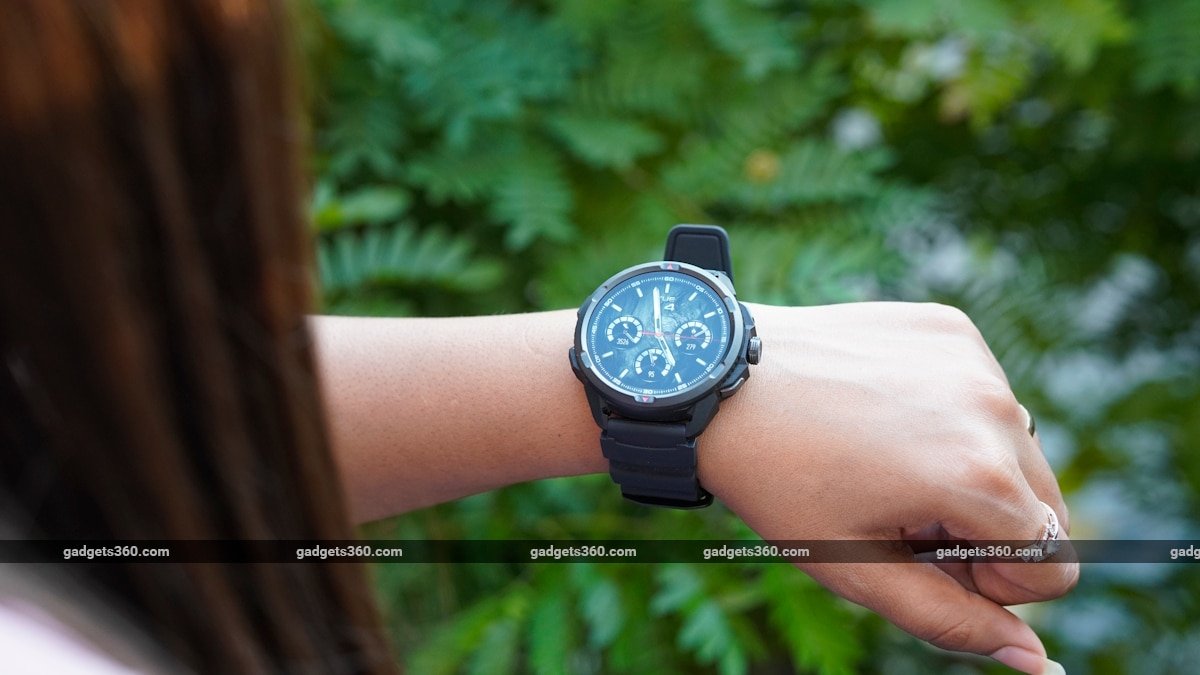
Technical Specifications and Architectural Breakdown
The rapid proliferation of GPS-enabled wearables at lower price points is not merely a result of aggressive marketing; it is a direct consequence of significant advancements in semiconductor efficiency and sensor miniaturization. Modern budget wearables utilize System-on-a-Chip (SoC) architectures that integrate low-power GNSS (Global Navigation Satellite System) receivers directly into the main processor die. This integration reduces latency and significantly lowers power consumption, which is critical for devices with smaller battery capacities.
At the architectural level, current entry-level devices often support multi-constellation satellite tracking, including GPS, GLONASS, Galileo, BeiDou, and QZSS. By pulling signal data from multiple satellite networks simultaneously, these watches can achieve a “Time to First Fix” (TTFF) that rivals devices costing three times as much. Furthermore, the implementation of dual-band signal processing—previously reserved for flagship models—is beginning to trickle down into the sub-$150 segment. This technology allows the hardware to mitigate signal multipath interference, which occurs when satellite signals bounce off urban structures like skyscrapers or dense forest canopies. By filtering out reflected signals, the watch produces a cleaner, more accurate track of the user’s route, ensuring that pace calculations remain reliable even in challenging environments.
Industry Landscape and Competitive Comparison
The competitive pressure in the wearable sector has forced manufacturers to move beyond basic step counting. Brands are now differentiating themselves through display technology, battery management, and software ecosystem integration. When comparing current market offerings, it is evident that the “budget” label no longer implies a compromise on essential functionality. The following table highlights the technical divergence between popular current-generation models and their predecessors.
| Metric | CMF Watch 3 Pro | NoiseFit Endeavour Pro | Legacy Entry-Level (2020) |
|---|---|---|---|
| Satellite Support | 5 Systems (Multi-GNSS) | 5 Systems (Multi-GNSS) | Single System (GPS only) |
| Peak Brightness | 670 Nits | 1,000 Nits | 400 Nits |
| Sports Modes | 130+ | Multiple | 10-15 |
| Battery Life (GPS Active) | Up to 15 hours | Up to 12 hours | 3-5 hours |
This data reveals a clear trajectory: while legacy models struggled with battery drain during GPS usage, modern budget alternatives leverage energy-efficient chipsets to provide extended operational windows. The increase in peak brightness also addresses a long-standing pain point for outdoor users, ensuring that metrics remain legible under direct sunlight, a feature previously restricted to high-end sports watches.
Practical Consumer & Enterprise Takeaways
For the average consumer, the decision to invest in a budget GPS watch should be guided by the specific nature of their physical activity. If the primary objective is recreational running or cycling, the current generation of affordable wearables offers more than enough precision to track progress over time. However, buyers should remain cognizant of the trade-offs. While the GPS accuracy in these devices has improved, they often lack the advanced physiological metrics—such as VO2 Max estimation, recovery time analysis, or heart rate variability (HRV) trends—found in specialized athletic watches.
From an enterprise perspective, the rise of affordable, connected wearables presents an opportunity for corporate wellness programs. Companies can now equip large teams with standardized tracking hardware at a fraction of the previous cost, facilitating data-driven health initiatives without the barrier of high capital expenditure. When selecting a device, IT managers and wellness coordinators should prioritize models that offer open API access or robust data export features to ensure that information can be integrated into broader health management platforms.
Frequently Asked Questions
Are budget GPS watches as accurate as professional-grade sports watches? While high-end watches often feature more sophisticated algorithms for data smoothing and better barometric altimeters for elevation tracking, the raw positional accuracy of modern budget chips is remarkably close to premium devices in open-sky conditions. The primary differences lie in sensor durability and advanced post-workout analytics.
How does “multi-constellation” support affect battery life? Utilizing multiple satellite networks simultaneously requires more power than a single-system connection. However, modern chipsets have become significantly more efficient. Most budget watches allow users to toggle between “High Accuracy” (multi-system) and “Power Save” (single-system) modes to balance battery longevity with tracking precision.
Do these watches require a smartphone to function? No. One of the primary benefits of these devices is their standalone capability. Once satellite acquisition is complete, the watch stores the workout data internally. The smartphone is only required for syncing the data to the cloud or viewing detailed maps after the activity has concluded.
The Bottom Line
The emergence of budget smartwatches with GPS represents a significant maturation of the wearable technology market. By successfully migrating high-performance satellite tracking into the entry-level segment, manufacturers have eliminated the primary technical barrier for amateur athletes. While these devices may not replace the specialized tools used by professional endurance athletes, they provide a level of utility that is more than sufficient for the vast majority of users. As component costs continue to stabilize, the value proposition for the consumer will only strengthen, making the integration of precise, independent location tracking a standard expectation for any modern fitness wearable.
