Technical Specifications and Architectural Breakdown
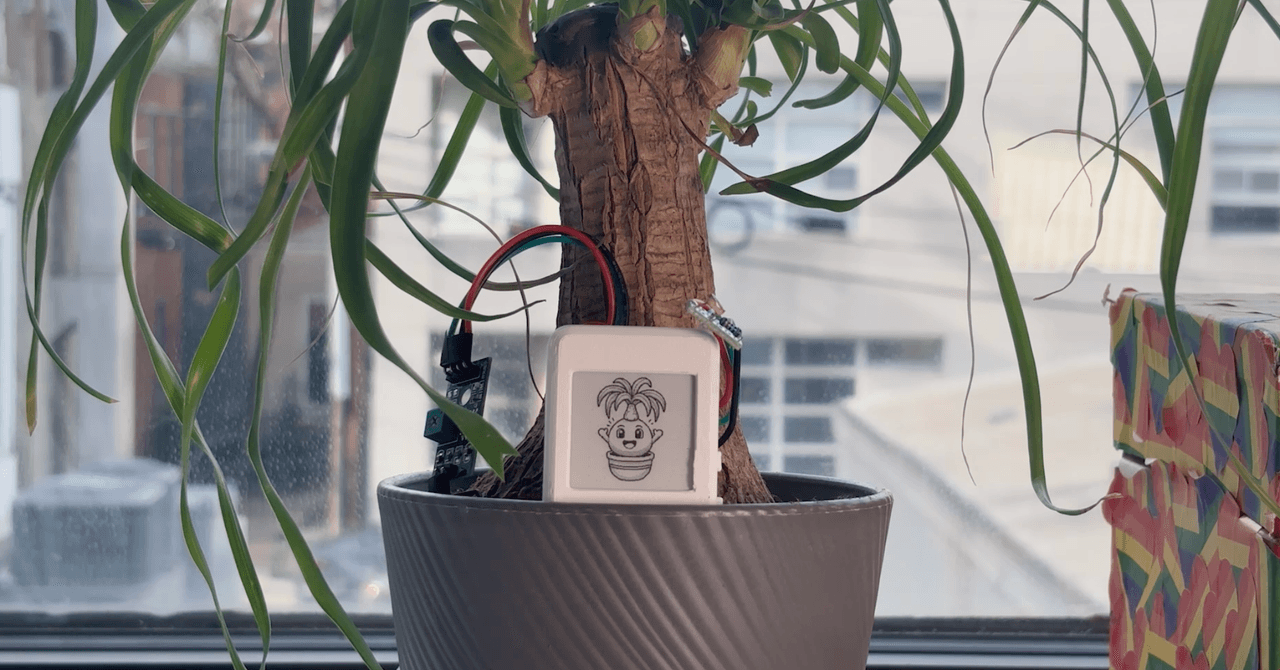
The innovation behind the OATs Project lies in its deliberate rejection of high-performance, power-hungry computing in favor of modular, low-fidelity responsiveness. At the heart of each implementation is a hardware module costing approximately $20—a price point that makes widespread integration into existing household inventory feasible. This module acts as the central processing unit, managing sensor data and driving the visual output.
The primary display medium is E Ink technology. Unlike the high-refresh-rate OLED panels found in contemporary smart hubs, E Ink is chosen for its bistable nature, consuming power only when the image changes. This allows the agent to maintain a persistent, emotive expression without draining battery life or contributing to the visual clutter of a glowing screen. These displays are paired with a suite of environmental sensors—moisture, light, occupancy, and proximity—that dictate the “needs” of the object.
The intelligence layer is powered by Google’s Gemini Nano, specifically leveraging the service’s image-generation capabilities to render the agent’s emotional state. When a sensor detects a change—such as a plant requiring water or a coffee maker needing a filter change—the system translates this environmental input into a visual representation of “need.” The agent’s appearance shifts accordingly, communicating its status through non-verbal, emotive cues rather than text-based notifications. This architecture relies on local processing for sensor management, with the generative AI calls optimized to minimize latency while maintaining a distinct, recognizable character for each household item.
Industry Landscape and Competitive Comparison
Current smart home ecosystems are bifurcated. On one side, we have general-purpose assistants like Amazon Alexa or Google Assistant, which prioritize task completion, search, and command-and-control functionality. On the other side are specialized smart devices, such as connected thermostats or robotic vacuums, which focus on efficiency and automation. Neither category prioritizes the psychological bond between the user and the device.
| Feature | OATs Project | Standard Smart Assistant | Single-Purpose IoT |
|---|---|---|---|
| Interface | Emotive E Ink | High-Res OLED/Voice | LED Indicators/LCD |
| Primary Goal | Object Nurturing | Task Completion | Automated Utility |
| User Interaction | Passive/Emotive | Active/Command-based | Set-and-Forget |
| Power Profile | Ultra-low | High | Moderate |
Practical Consumer & Enterprise Takeaways
For the average consumer, the OATs Project represents a shift in how we might view appliance longevity. Currently, smart devices are often treated as disposable; when they cease to function, they are discarded. By fostering a sense of “needs” within the object, the OATs Project encourages a more sustainable relationship with domestic hardware. However, the trade-off is a loss of high-bandwidth information. If a user requires detailed analytics or complex scheduling, these emotive agents will not suffice.
In an enterprise context, the implications are equally significant. Facilities management could utilize similar emotive agents to signal the health of industrial equipment or office infrastructure. A printer or an HVAC unit that “expresses” its maintenance needs through a simple, low-power interface can reduce downtime without requiring personnel to check a central dashboard. The cost-benefit analysis favors the OATs model for non-critical, repetitive maintenance tasks, where the simplicity of the interface reduces the cognitive load on staff.
Frequently Asked Questions
Does the OATs Project require a constant internet connection?
While the initial generation of images for the agent’s emotional states utilizes cloud-based generative AI, the system is designed to cache these states locally. Once the agent’s personality and status icons are initialized, the module can operate independently for extended periods, relying on local sensor data to trigger the display of pre-rendered states.
Can these agents be retrofitted to older, “dumb” appliances?
Yes. The modular design is intended to be agnostic. Because the system relies on external sensors (e.g., a moisture probe for a plant or a vibration sensor for a washing machine), the OATs module can be attached to virtually any object to monitor its physical state, effectively “smart-enabling” legacy hardware without requiring internal connectivity.
How does the project address data privacy and security?
By shifting the focus to environmental sensors rather than microphones or cameras, the OATs Project inherently avoids many of the privacy concerns associated with traditional smart speakers. The data processed is limited to the physical requirements of the object, and the system does not record or transmit audio or video, significantly reducing the attack surface for potential security breaches.
The Bottom Line
The OATs Project is a necessary corrective to the screen-heavy trajectory of modern consumer electronics. By prioritizing emotive, low-power communication over high-definition data bombardment, it successfully bridges the gap between functional utility and psychological engagement. While it is unlikely to replace the centralized smart home hub in the near term, its ability to turn inanimate objects into responsive, low-maintenance companions offers a compelling vision for a more sustainable and less intrusive future. For those tired of the constant noise of digital notifications, the quiet, emotive presence of an OATs-enabled device may provide a welcome, practical alternative.
